Research Lines

CHALLENGES

To connect with the research group best suited to your needs, please contact: comunicazione-eventi-dica@polimi.it

01.

Climate change adaptation

01
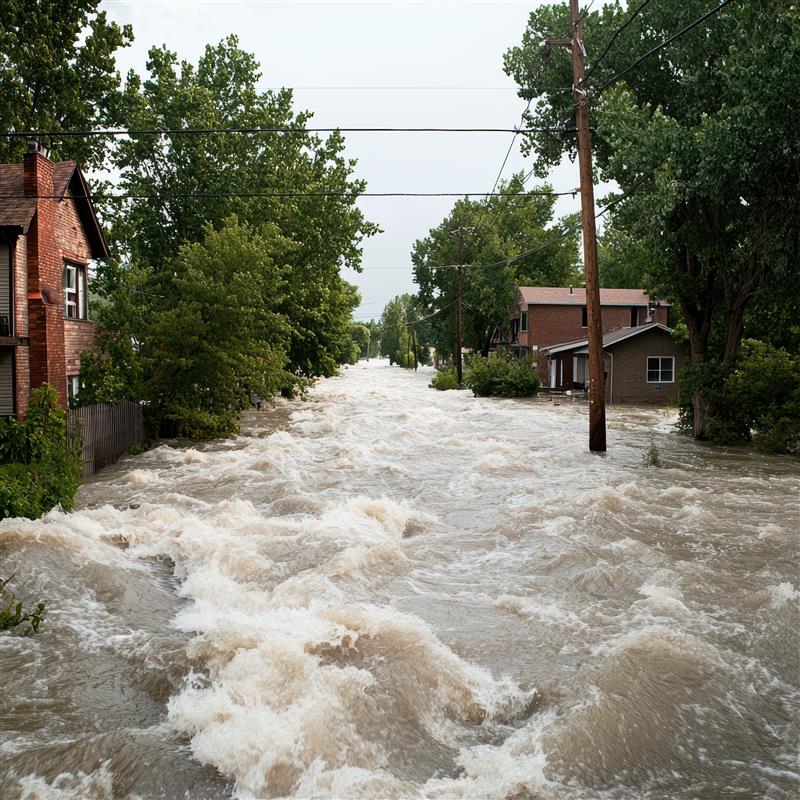
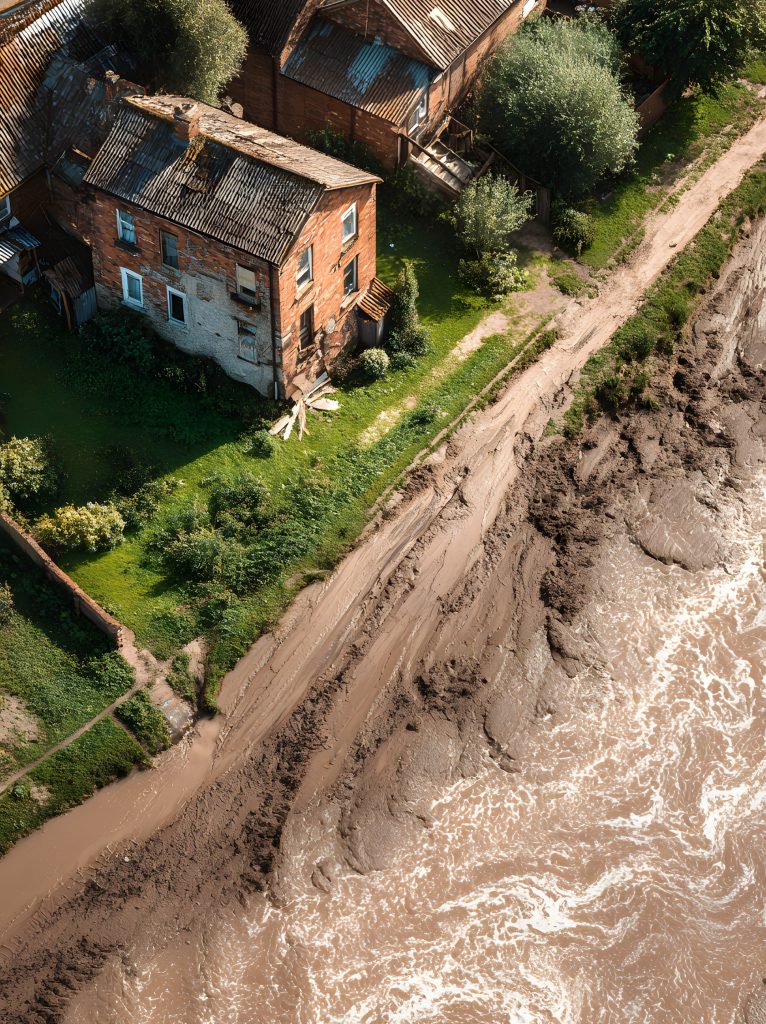
Assessment and mitigation of risk associated with floods

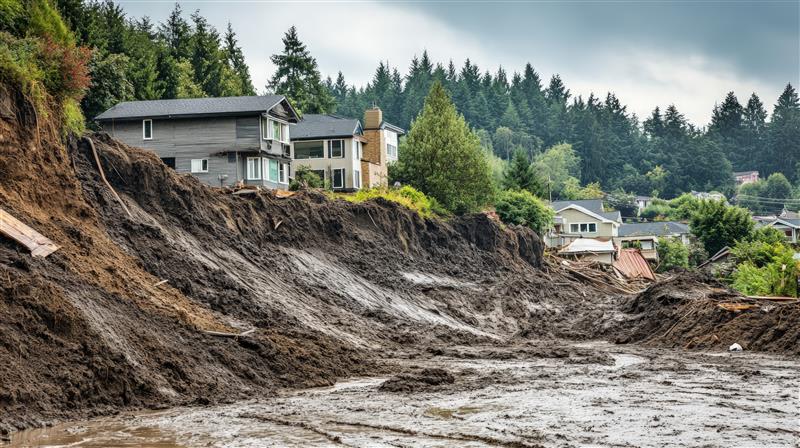
Geological risk assessment in changing scenarios

Geotechnical systems under extreme events
02
Effects of climate change on life-cycle performance of structures and infrastructure systems

Long-term damage evolution in materials of the historical heritage subjected to aging, aggressive environment and catastrophic events, assessment of structures and infrastructures
03
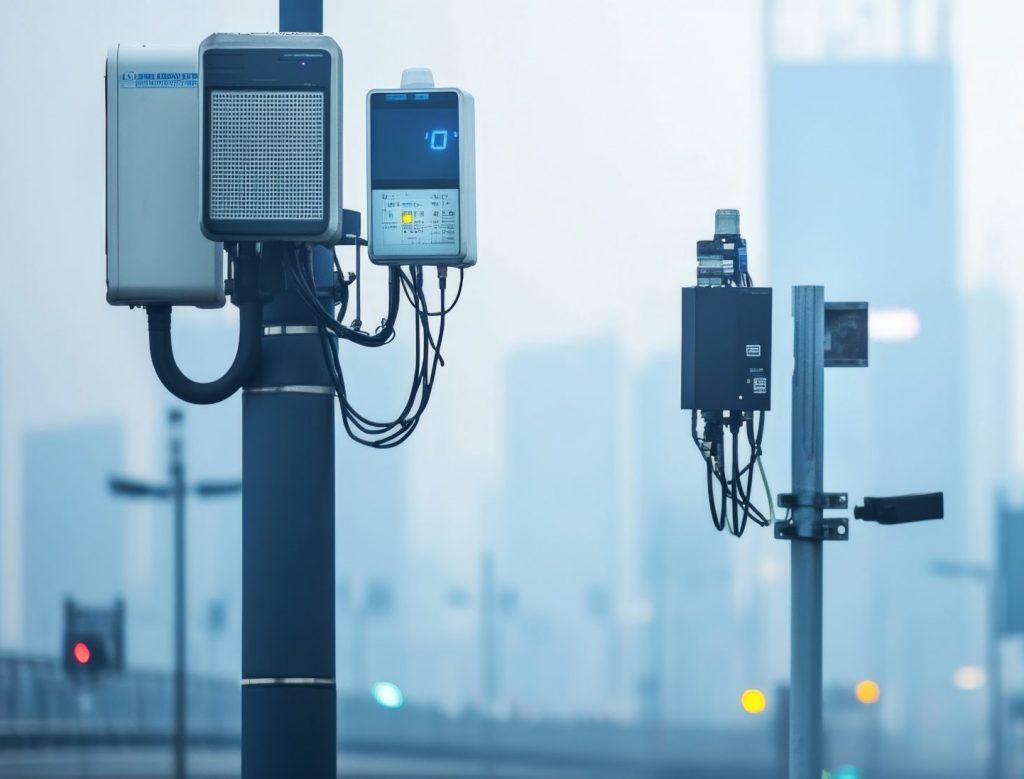
Monitoring and modelling air, soil and water quality to support risk assessment and scenario analyses of prevention and remediation
04
Technologies and biotechnologies to prevent pollution and to treat contaminated gaseous, liquid, and solid streams, in line with the principles of circularity, one-health and zero-discharge
05
Environmental impact and life cycle assessments for a sustainable development

Innovative technologies and biotechnologies for climate change mitigation
06
Hydrological hazard and hydraulic risk and the weather and climate drivers: assessment and management in a changing climate

Coastal and maritime engineering and river interactions
07
Gravity based monitoring of the water storage

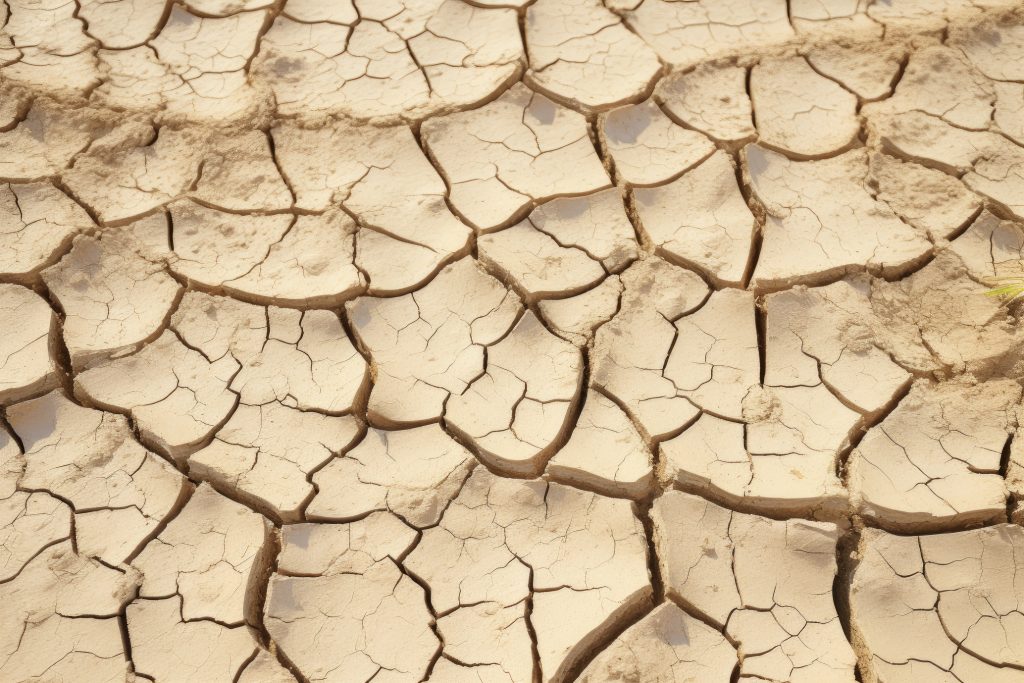
Water scarcity and drought, irrigation systems, and food/water energy nexus
08
GNSS based weather forecasts

Urban landscape modelling for heatwave impact mitigation

The goal is to identify innovative solutions to mitigate the impacts of climate change on ecosystems, infrastructure, and society. The main areas of interest include risk assessment for air, soil, water, and the built environment in relation to extreme events and the aging of structures.

02.

Sustainable design of materials, structures and infrastructures

01
Environmental impact and life cycle assessments for a sustainable development
02
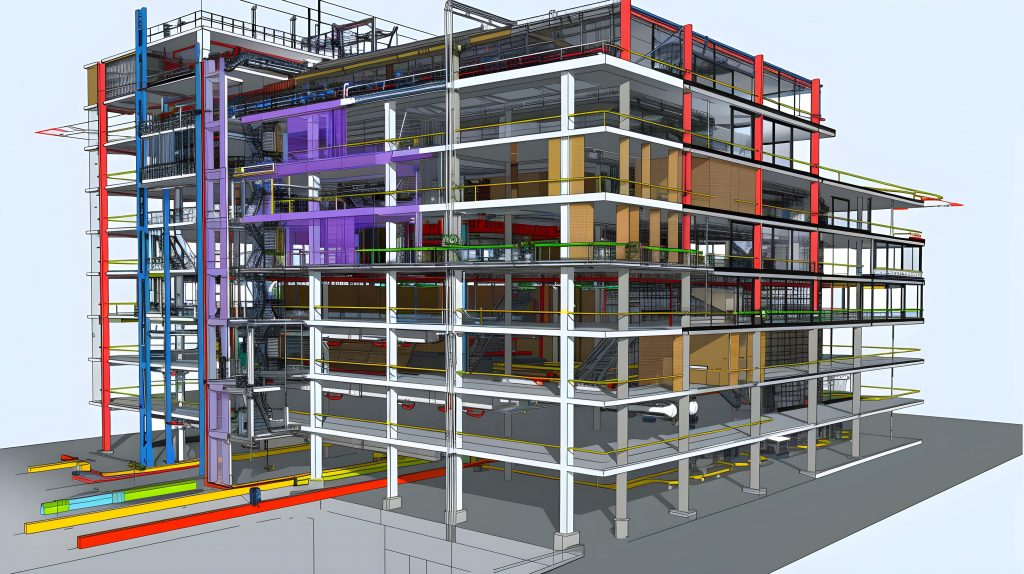
Building Information Modelling (BIM)
03
Life-cycle assessment and rehabilitation strategies for historical buildings
04
Life-Cycle assessment, maintenance, and rehabilitation of structures and infrastructures
05
LCA and LCCA for transport infrastructures

Si promuovono soluzioni sostenibili per materiali, strutture e infrastrutture attraverso valutazioni del ciclo di vita e dell’impatto ambientale, con particolare attenzione alle tecnologie per la prevenzione dell’inquinamento, la mitigazione dei cambiamenti climatici e la transizione energetica, inclusa l’ottimizzazione della progettazione basata su BIM. Le aree principali comprendono materiali a basso impatto di carbonio, progettazione sostenibile di sistemi di trasporto e idraulici e gestione efficace dei rischi. Viene inoltre affrontato il retrofit sostenibile, materiali innovativi a base di cemento e progettazione orientata al ciclo di vita per garantire la resilienza futura.
03.

Safety and resilience of natural and anthropic systems

01
Environmental and human health risk assessment for natural and anthropic systems protection

Scenario analyses and modelling of pollutants fate in natural environment and anthropic systems for a sustainable development

Innovative (bio)technologies based on the principles of circularity, one-health and zero-discharge
02
Particle-fluid flows in water and in air

Living labs for soil and water quality assessment and restoration

Groundwater pollution risk: from characterization to remediation
03
Life-cycle reliability, risk, robustness, and resilience of bridges and infrastructure networks under multiple hazards

Seismic vulnerability analysis, diagnostic and conservation of masonry structures and architectural heritage
04
Assessment and mitigation of risk associated with floods

Multi Criteria Assessment of risk mitigation solutions

GIS & EO based natural hazard mapping
05
Hydrological hazard and hydraulic risk and the weather and climate drivers: assessment and management in a changing climate

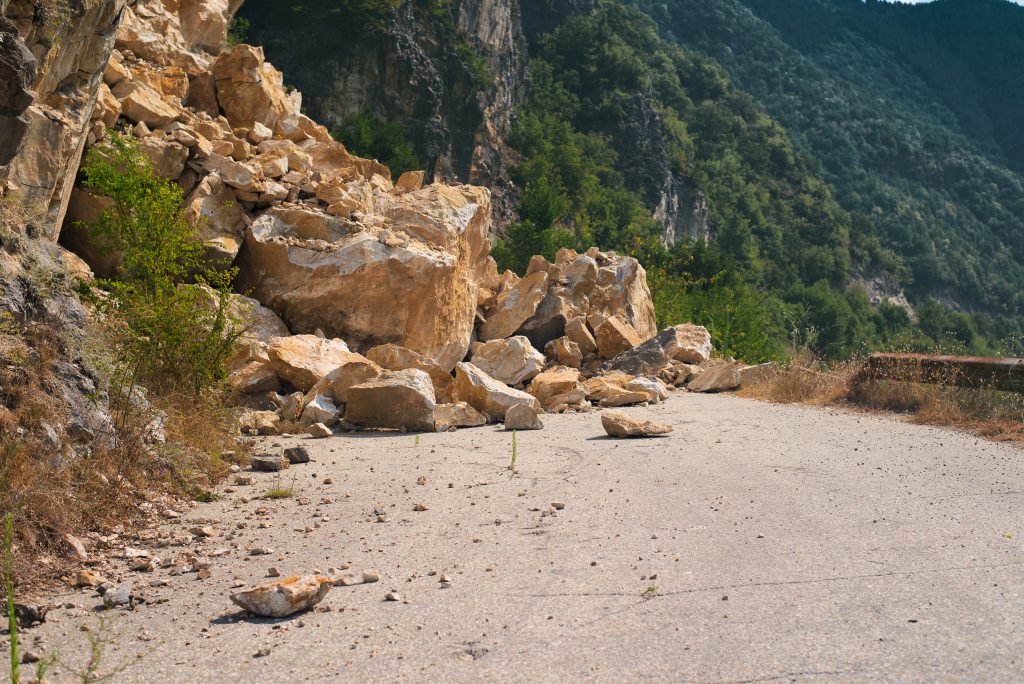
Landslide hazard and hydrogeological susceptibility assessment - Multi-risk assessment of built environment

Territorial impact of river sediment transport and morphologic variations
06
River bridge vulnerability

Life-cycle assessment, maintenance, and rehabilitation of bridges and structures
07
Management of transport infrastructures: from monitoring to resilience

Sustainable Hydraulic structures and infrastructures and their residual risk behavior

Assessment, prevention, and mitigation of natural and anthropic risks to civil and industrial structures and infrastructures
08
Geodetic based displacements monitoring

Life-cycle reliability, risk, robustness, and resilience of bridges and infrastructure networks under multiple hazards
09
Seismic vulnerability analysis, diagnostic and conservation of masonry structures and architectural heritage

Assessment and Sustainable Retrofitting of Built Heritage

The theme focuses on understanding, monitoring, and enhancing the resilience of natural ecosystems and civil infrastructure under increasing environmental pressures. It integrates advanced monitoring technologies, modeling, and risk assessment to address environmental quality and structural reliability throughout their entire life cycle. The main areas include sustainable retrofit, multi-hazard resilience, and holistic strategies aimed at improving safety and durability through innovative approaches to prevention, monitoring, and mitigation.

04.

Energy transition

01
Energy harvesting from fluid flows

Energy management in hydraulic processes

Hydropower potential under changing climate
02
Innovative technologies for the energy transition in the water sector

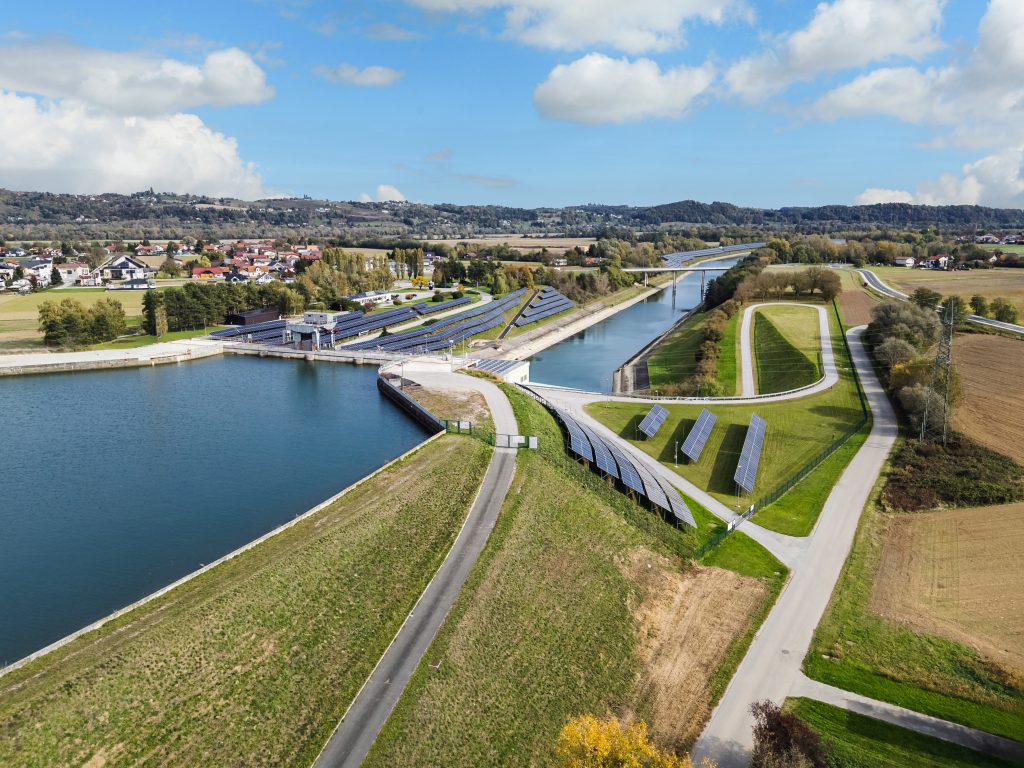
Assessment of on-shore and off-shore structures and infrastructures for renewable energy production
03
Innovative (bio)technologies for energy transition

Waste streams management and treatment to produce innovative energy carriers
04
Environmental impact & life cycle assessments to suggest actions and technologies for energy transition

Innovative solutions for hydrogen and carbon storage to support the energy transition
05
Energy resources and geoenvironmental systems

Low enthalpy geothermal systems
06
Electrified road pavements for electric vehicles

Sviluppo di sistemi energetici sostenibili e rinnovabili attraverso tecnologie innovative e biotecnologie, in linea con i principi di circolarità e di azzeramento delle emissioni.

Il lavoro comprende l’esplorazione di diverse fonti rinnovabili, dal geotermico e idroelettrico al solare ed eolico, fino al recupero energetico dai rifiuti, includendo inoltre soluzioni emergenti come il power-to-gas biologico e le pavimentazioni elettrificate, con lo stoccaggio dell’idrogeno quale elemento chiave della transizione energetica. L’approccio integra la prevenzione dell’inquinamento e lo sviluppo di infrastrutture resilienti on-shore e off-shore, con l’obiettivo di promuovere un futuro energetico pulito nel rispetto dell’ambiente.

05.

Sustainable resource management

01
Efficient water distribution management for resource conservation

Water scarcity and drought, irrigation systems, and food-water energy nexus
02
Sustainable design of concrete structures with recycled aggregates

Decision support tools for implementation of circularity

Characterization and re-use of quarries and mines

Reuse of industrial waste for building materials and soil stabilization
03
Environmental impact and life cycle assessments for a sustainable development

Modeling, predicting, and managing fate and transport of emerging contaminants in soils and aquifers
04
Optimal lightweight design of structures and components for traditional and additive manufacturing

Integrating recycled/reclaimed materials in road and airport pavements
05
Hydrological processes, water resources monitoring and management

Groundwater resource management
06
High resolution land cover change monitoring

Innovative (bio)technologies for sustainable resource management

The focus is on optimizing the use and conservation of natural resources, integrating environmental impact, risk, and life cycle assessments within a circular economy framework.

The scope includes high-resolution monitoring of soil and water, sustainable water resource management within the food–water–energy nexus, and circular material strategies such as additive manufacturing, waste reuse, and resource recovery. The main areas include the rehabilitation of degraded sites and the development of biotechnologies for climate change mitigation, ensuring long-term environmental and industrial sustainability.

06.

Technological innovation

01
Geoinformatics for Digital Twin Earth(s)

Physics-based modeling techniques for accurate digital representations of structural systems

Design of innovative computational tools for development of physics-based seismic damage scenarios
02
Seismic Design of Slabs and Precast Structures

Technological solutions for monitoring of hydraulic structures (levees, bridges, dams)
03
Technological developments in terms of design, optimisation and real time control

From the proof of concept through lab scale to full scale of remediation technologies

R2V (Road to Vehicle) communication for safety purposes
04
Innovative monitoring strategies for environmental applications

5G, LEO and GNSS integration for precise positioning
05
Future gravity mission design

Quantum gravimetry

Geospatial Foundation Models
06
Innovative technologies for enhancing civil, industrial and agricultural water distribution efficiency

Technological solutions for water networks design, and monitoring
07
Road and airport innovative pavements

Bond, composite structures and fastening technology for new constructions and retrofitting

Structural and technological applications of glass

Design of innovative materials for structures and infrastructures
08
Innovative technologies for efficient industrial fluid management

Guidelines for best practices in flood risk assessment and bridge vulnerability
09
Contaminant sources identification and enhancement of biodegradation processes

Design of innovative sensors for diagnostic and health monitoring in structural and geotechnical engineering

The approach promotes cutting-edge solutions by integrating environmental technologies, innovations in structural engineering, and next-generation Earth observation systems.

Biotechnologies for pollution prevention, quantum gravimetry, geospatial models, smart materials, advanced construction and retrofit methods, and new sensors for structural and hydraulic monitoring are developed. This fosters sustainable and resilient infrastructure by combining traditional engineering with emerging digital capabilities.

METHODS & TOOLS

To connect with the research group best suited to your needs, please contact: comunicazione-eventi-dica@polimi.it

01.

Survey and monitoring

01
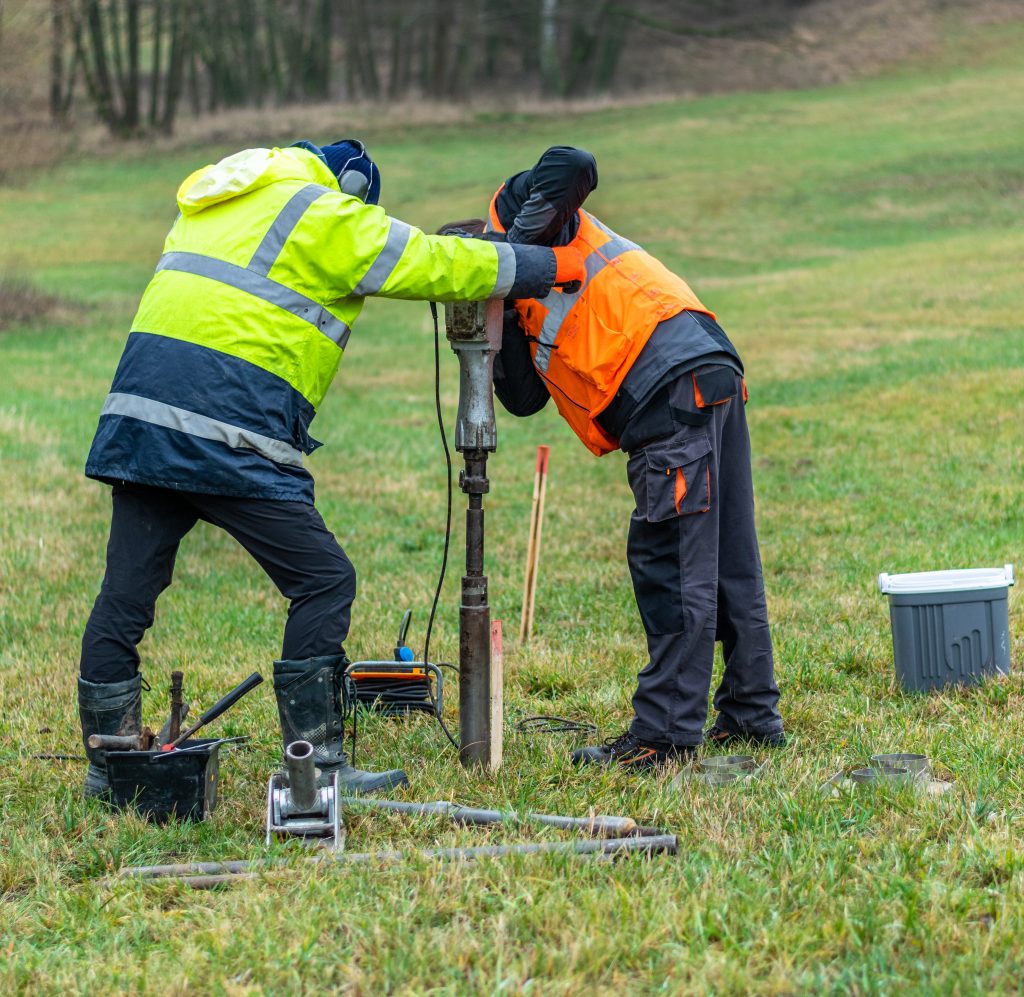
Advanced multiphysics protocols and interpretation of field geophysical and geotechnical data for soil investigation and monitoring under climate impact (CPT, optic fibres, GEM, EM techniques)

Inversion techniques and machine learning tools
02
Photogrammetry - GNSS - Geo-crowdsourcing - Gravimetry

Performance indicators monitoring of water distribution systems

Digital Twin technologies for the efficiency and optimization of hydraulic processes in civil, industrial and agricultural fields
03
Remote sensing of water related variables (soil moisture, snow cover, LAI, etc..)

Use of satellites, UAVs, etc for ice cover assessment, and dynamics

Weather survey and forecasting, with models, and radar/satellite data
04
Design of post-flood damage assessment tools and procedures

Groundwater quali-quantitave monitoring

Real time flood forecasting
05
3D Laser Scanning

Satellite optical imagery analysis and SAR
06
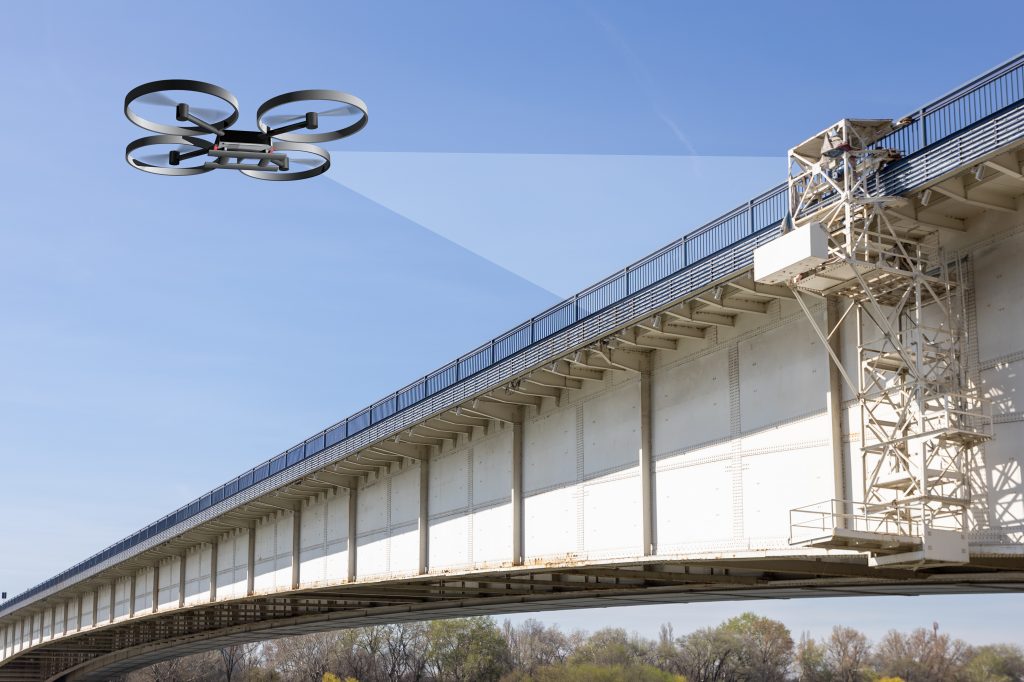
Design of Bridge Monitoring systems

New road and airport monitoring systems and standards
07
Survey, inspection, monitoring, and risk-based management of structures and infrastructures

Laboratory and on-site investigations, non-destructive tests for cultural heritage
08
New instruments and tools for landslide monitoring

Seismic methods for near-surface investigations and georadar/geo-electrical monitoring
09
Monitoring and modelling air, soil and water

Performance indicators monitoring water distribution systems

Integration of advanced tools for environmental monitoring, structural surveying, and the sustainable management of water and soil, leveraging interdepartmental laboratories.

Geospatial techniques, life cycle and risk assessments, and non-destructive testing are combined to monitor air, soil, water, buildings, and infrastructure. The system supports risk forecasting, infrastructure resilience, and the protection of cultural heritage, enabling accurate analyses and sustainable management solutions.

02.

Life Cycle Assessment

01
Environmental impact and life cycle assessments for a sustainable development
02
Building Information Modelling (BIM)
04
Life-cycle assessment and rehabilitation strategies for historical buildings
05
Life-Cycle assessment, maintenance, and rehabilitation of structures and infrastructures
03
LCA and LCCA for transport infrastructures

Life Cycle Assessment (LCA) supports sustainable decision-making by evaluating and minimizing environmental impacts across infrastructures, integrating BIM to improve efficiency and analytical accuracy. It is applied to structural systems, transport infrastructures, and the maintenance and rehabilitation of bridges, buildings, and heritage structures. LCA also guides the development of pollution-prevention and treatment technologies aligned with circular economy and zero-discharge principles, enabling more sustainable resource and infrastructure management.

03.

Experimental methods

01
Technologies and biotechnologies to prevent pollution and to treat contaminated gaseous, liquid, and solid streams

Compound specific isotope analysis and investigations
02
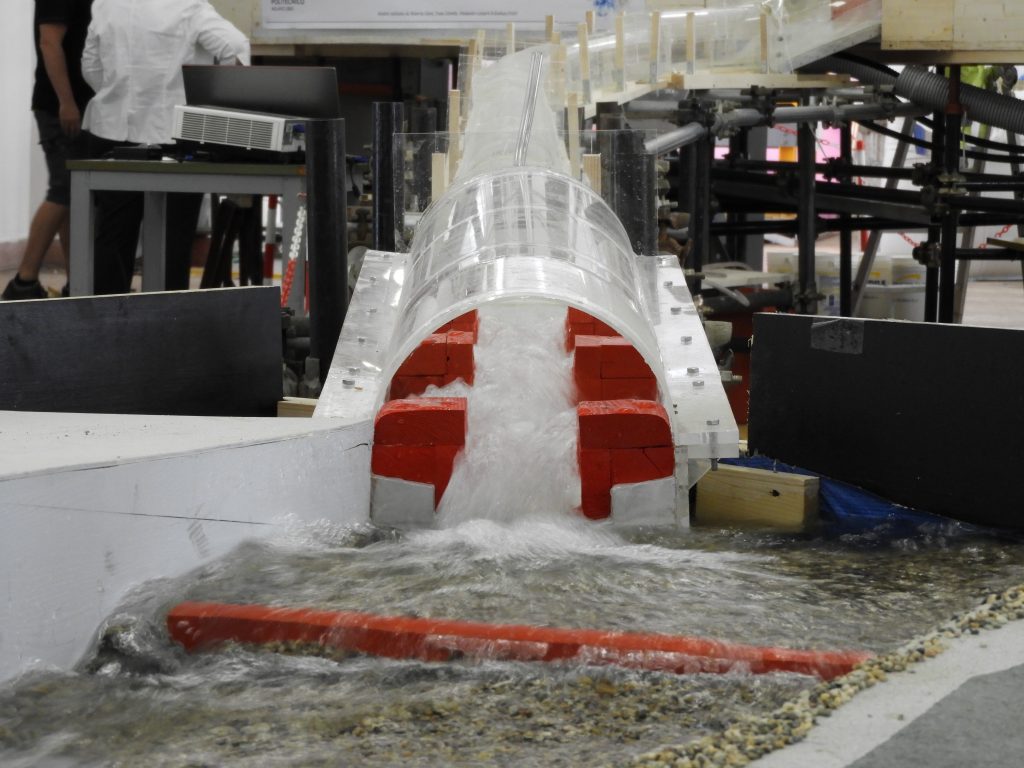
Distorted and not-distorted scale hydraulics models

Hydrological processes, water resources monitoring and management

Water scarcity and drought, irrigation systems, and food-water energy nexus
03
Seismic methods for near-surface investigations and georadar/geo-electrical monitoring

Statistical methods for crustal and structures deformation analysis

Laboratory and on-site investigations, non-destructive tests for existing structures and cultural heritage
04
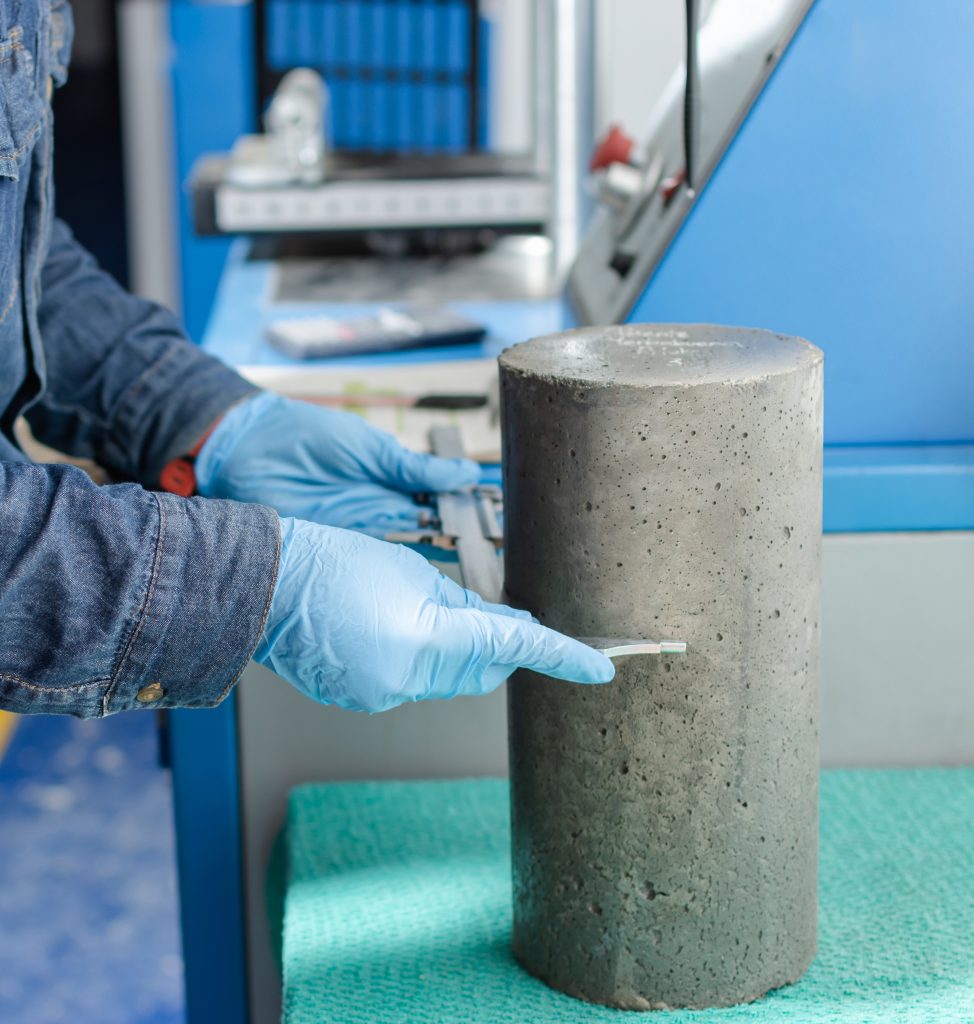
Lab tests on innovative materials for transport infrastructures

Experimental testing and validation of innovative material models

Inverse analysis, identification and experimental characterization of the material
05
Sustainable Hydraulic structures and infrastructures and their residual risk behavior

Experimental testing and model validation of structural components and systems under extreme loading conditions

Experimental testing of bond, composite structures and fastenings
06
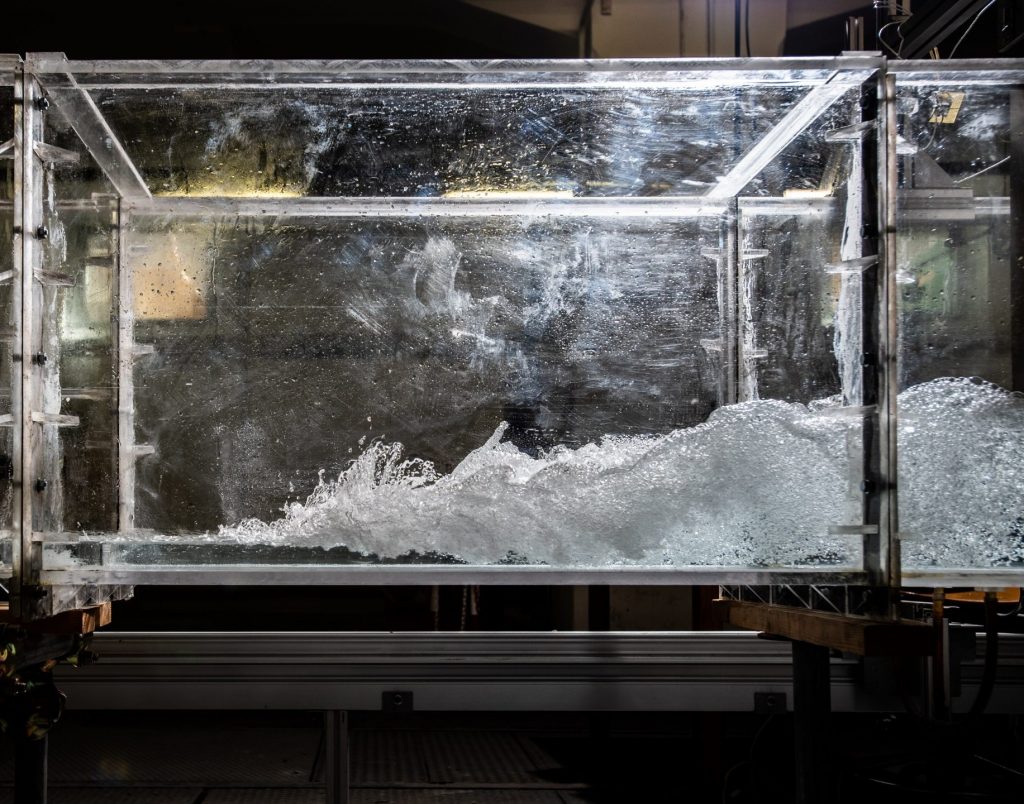
Reduced-scale physical modelling of hydraulic case-studies

Advanced experimental methods for the characterization of critical fluid-dynamic phenomena (cavitation, noise, erosion)

Reactive processes in porous media: microfluidics and nano-scale assessment of self-organization of mineral–fluid interfaces
07
Large-scale experimental testing and model validation

Design of equipment and experimental multiphysics testing protocols for porous materials under cyclic loads, including climate impact

Physical modelling of geotechnical systems at reduced (1g) and prototype scales (foundations, dykes, embankments, slopes)
08
Methods for gravity field analysis at global and local scale

Image-based fluid dynamics measurements

Large laboratory scale water distribution network for research and technology transfer

Field tests for GW management
09
Innovative technologies and biotechnologies for climate change mitigation and energy transition

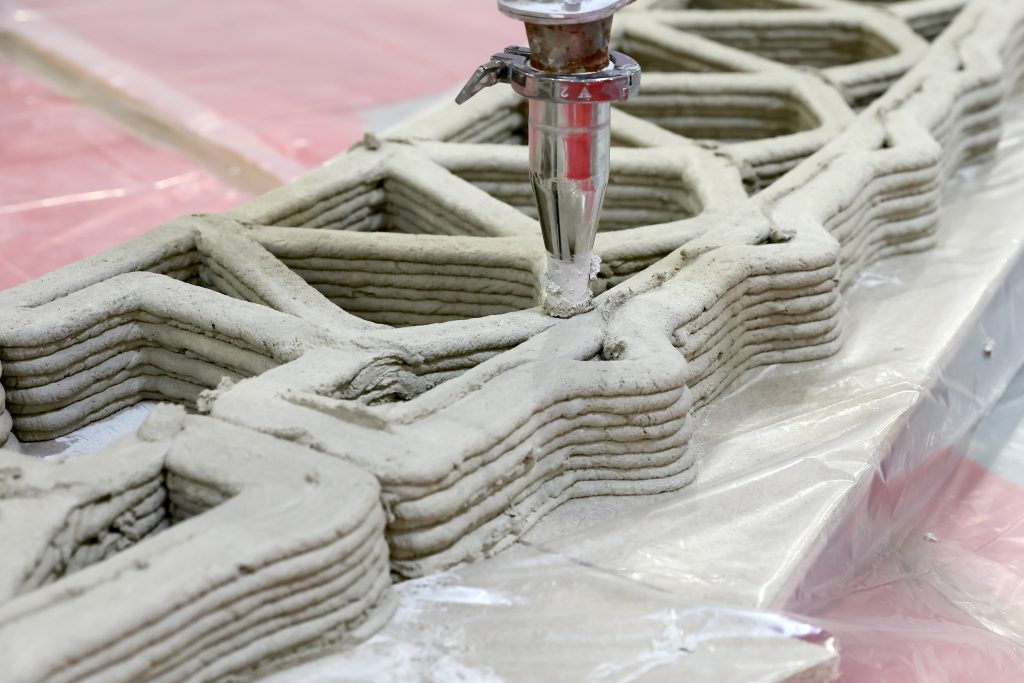
Additive manufacturing technologies and experimental assessments of cementitious materials

Experimental approaches address challenges related to the environment, structures, and resource management through interdepartmental laboratories. They support the development of technologies for pollution prevention, innovative materials, large-scale structural testing, and the sustainable management of hydraulic and water infrastructures. Techniques include seismic monitoring, ground-penetrating radar, and geoelectrical surveys, as well as non-destructive testing for the protection of cultural heritage.

04.

Computational methods and modelling

01
Monitoring and modelling air, soil and water quality to support risk assessment and scenario analyses of prevention and remediation

Hydrological processes, water resources monitoring and management
02
Geospatial data algorithms and processing

High-performance computing in EO and geodesy

Computational models and methods
03
Numerical modelling of flood dynamics

Numerical modelling of river morphologic processes

Numerical modelling of slope dynamic and sediment transport
04
Computational nonlinear analysis of concrete structures

Numerical simulations of the (hydro)-mechanical behaviour of innovative structural
05
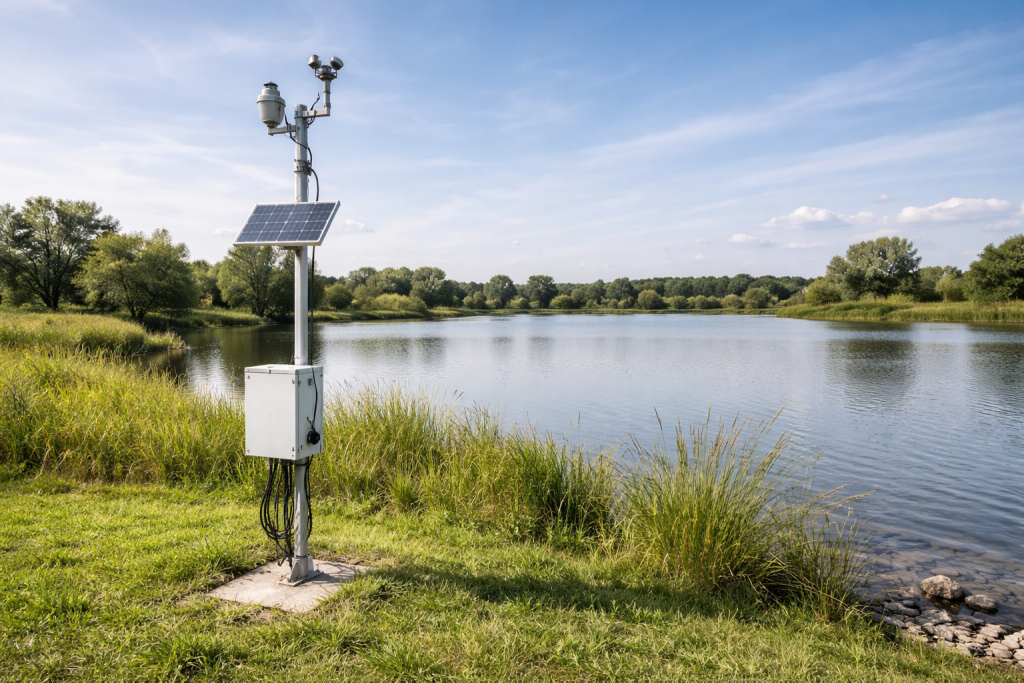
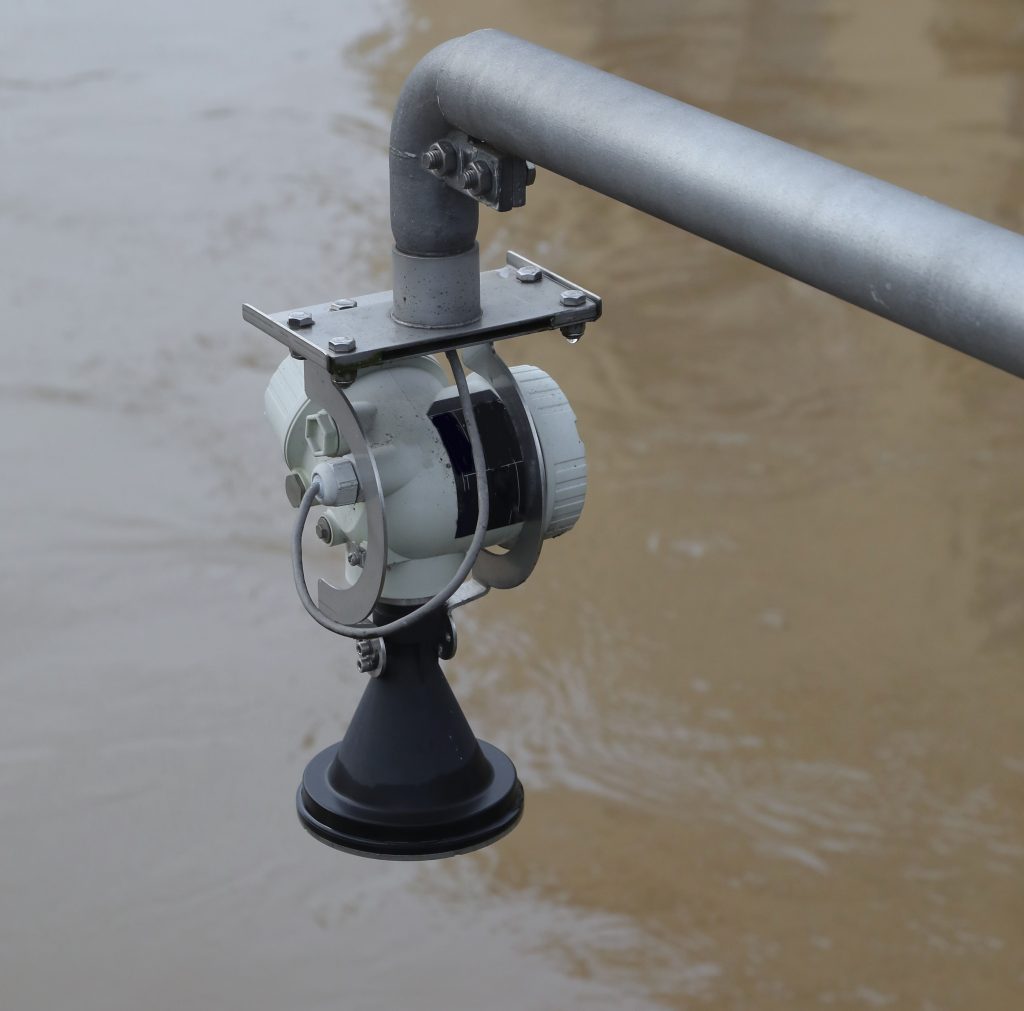
Hydrometric probe sensor monitors river water levels for flood risk
06
Predictive accident models for road and airport

Flood damage modelling
07
Simulation of hydro-abrasive wear of materials

Mechanics of masonry structures
08
Hydraulic simulation and optimization of water distribution systems

Performance-based models for road and airport pavements

Optimal lightweight design of structures and components for traditional and additive manufacturing
09
Computational Fluid Dynamic simulation of particle-laden flow and complex systems

Advanced fluid-dynamic modeling for critical industrial applications

Numerical modelling of groundwater flow, contaminants and heat transfer
10
Multiscale modeling of flow and transport processes in porous media under multiple sources of uncertainty

Monitoring and modelling of structures and infrastructures

Sviluppo di sistemi energetici sostenibili e rinnovabili attraverso tecnologie innovative e biotecnologie, in linea con i principi di circolarità e di azzeramento delle emissioni.

Il lavoro comprende l’impiego di diverse fonti rinnovabili, dal geotermico e idroelettrico al solare ed eolico, fino al recupero energetico dai rifiuti, integrando inoltre soluzioni emergenti come il power-to-gas biologico e le pavimentazioni elettrificate. Lo stoccaggio dell’idrogeno rappresenta un elemento chiave della transizione energetica. L’approccio integra la prevenzione dell’inquinamento e lo sviluppo di infrastrutture resilienti on-shore e off-shore, con l’obiettivo di promuovere un futuro energetico pulito nel rispetto dell’ambiente.

05.

Artificial Intelligence

01
Machine learning for satellite imagery analysis and classification

Geospatial AI

AI for geological risk mapping
02
AI-Driven methods for optimization of water distribution
03
Physically-based Artificial Intelligence applied to materials and structural mechanics problems

Artificial Intelligence methods in structural and geotechnical engineering
04
AI-driven road and airport pavement texture prediction/assessment and pavement distress detection integrated with UAV technology

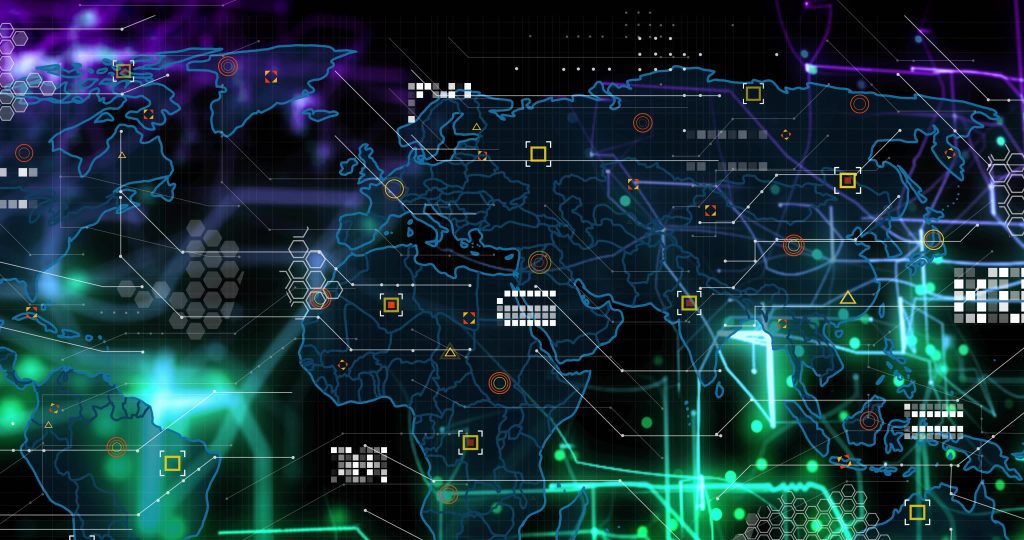
Artificial intelligence (AI) tackles environmental, geological, and structural challenges through analysis of big datasets, process optimization, and decision support. Machine learning enhances satellite imagery interpretation, geospatial analysis, risk mapping, and structural mechanics solutions. AI also supports hydrological hazard assessment, water resource management, and climate adaptation, promoting sustainable solutions across sectors.