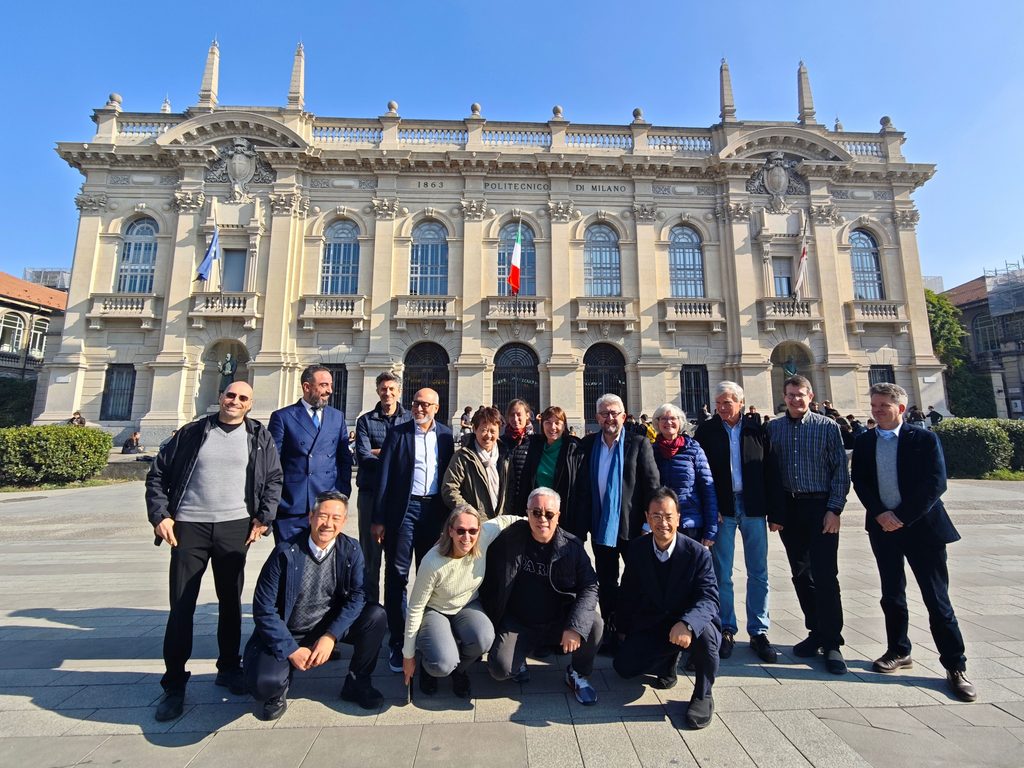
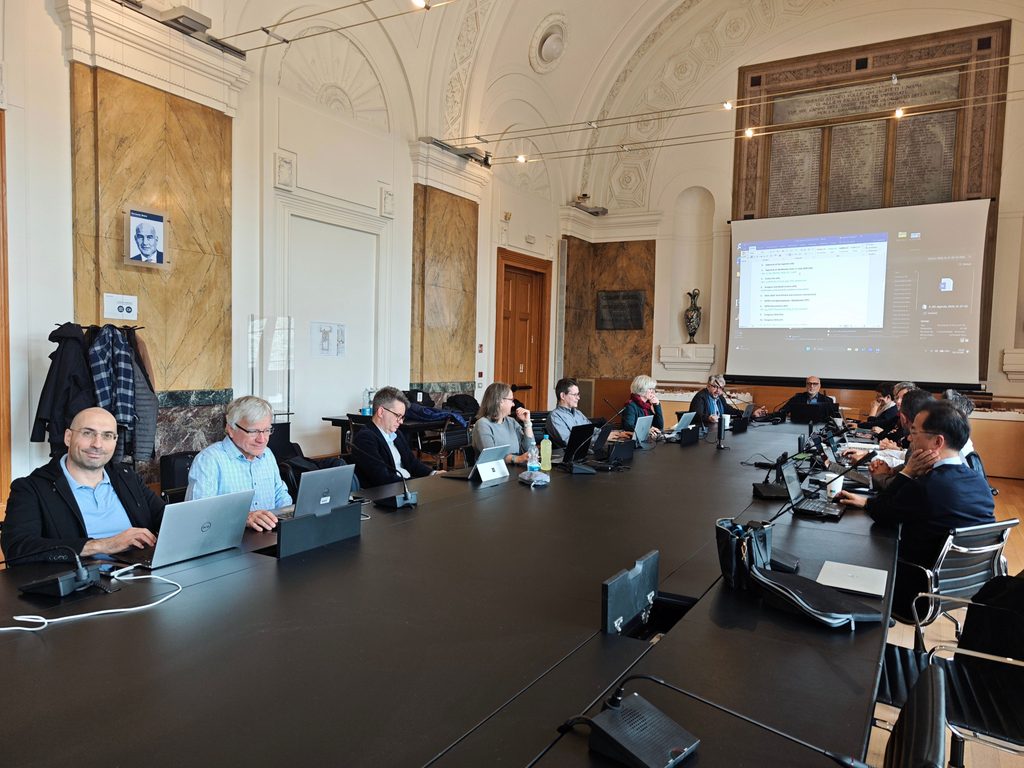
On 3 and 4 November 2026 Politecnico di Milano hosted the kick-off meeting of SUNRISE, the European project on extreme climate and weather events coordinated by Politecnico di Milano through its Department of Civil and Environmental Engineering.
The project, whose full title is “Extreme events in a warming, unequal world: linking drivers to impacts for improved attribution, forecasting and regional responses”, is funded under Horizon Europe within the Climate, Energy and Mobility cluster, with an EU contribution of around six million euros. It is coordinated by Carlo De Michele, a professor in the Department, and brings together nineteen academic and non-academic partners from twelve countries. The project runs until March 2030.
The seventeen beneficiaries are Politecnico di Milano, as coordinator, the Potsdam Institute for Climate Impact Research, the Alfred Wegener Institute, the Cyprus Institute, Instituto Superior de Agronomia, the Italian National Research Council, Aristotle University of Thessaloniki, Utrecht University, the University of Gothenburg, the National and Kapodistrian University of Athens, Erasmus University Rotterdam, GFZ Helmholtz-Zentrum für Geoforschung, Universidad Nacional de Colombia, the University of British Columbia, Lehr- und Versuchsanstalt für Gartenbau und Arboristik (LVGA), FINRES and the University of Ghana. Two associated partners complete the consortium: Universidade Federal do Rio de Janeiro and the company David Zimmerling.
The meeting was opened by Alberto Guadagnini , Vice Rector for Research, and by the coordinator, followed by contributions from the European Commission with policy officer Margarita Ruiz Ramos and project officer Leen Baelus on the policy context and on key implementation aspects.
SUNRISE comprises twenty-one work packages, from observational and modelling datasets on extreme events to climate statistics, from the attribution of events to climate change to the physical mechanisms behind them, and on to impacts on ecosystems, climate justice in adaptation and compensation policies, and risk governance.
The project aims to advance attribution science, that is the ability to establish how climate change affects the likelihood or intensity of an extreme event, together with impact assessment and operational forecasting. Seasonal forecasts will be tested as early warning systems, and the work will include field studies in Europe, South America and West Africa, involving local communities, stakeholders, schools and adaptation pilots.
Coordinating a project of this scale confirms the Department’s role in European research on climate and natural hazards.
Project factsheet on the European Commission’s CORDIS portal.


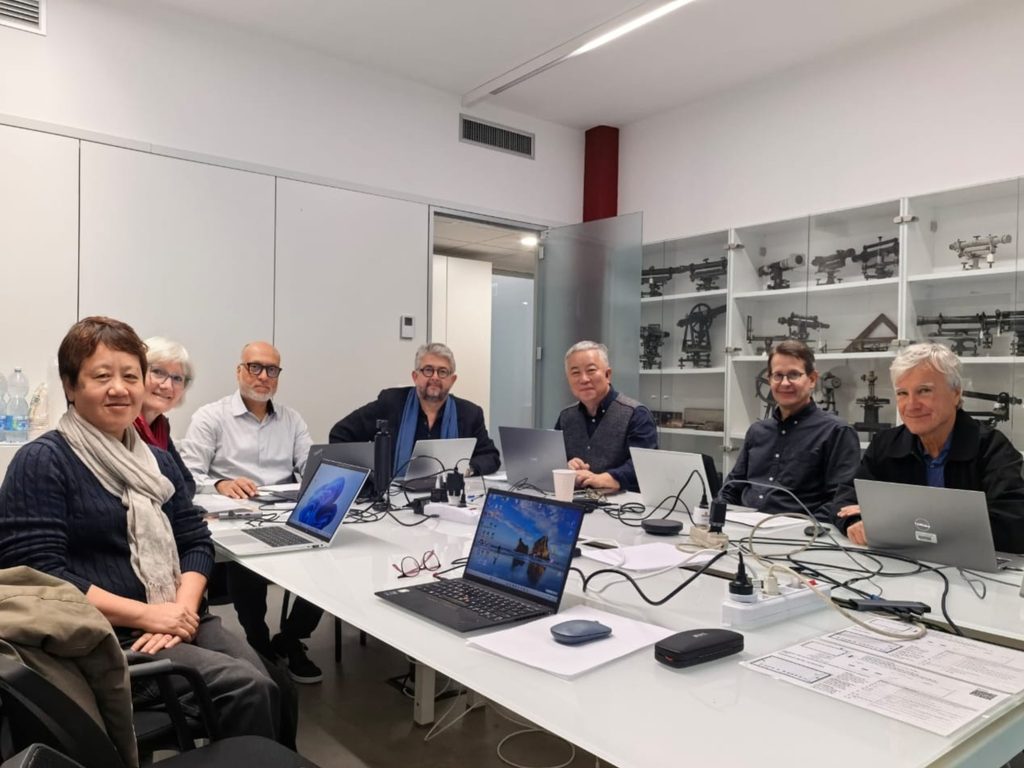
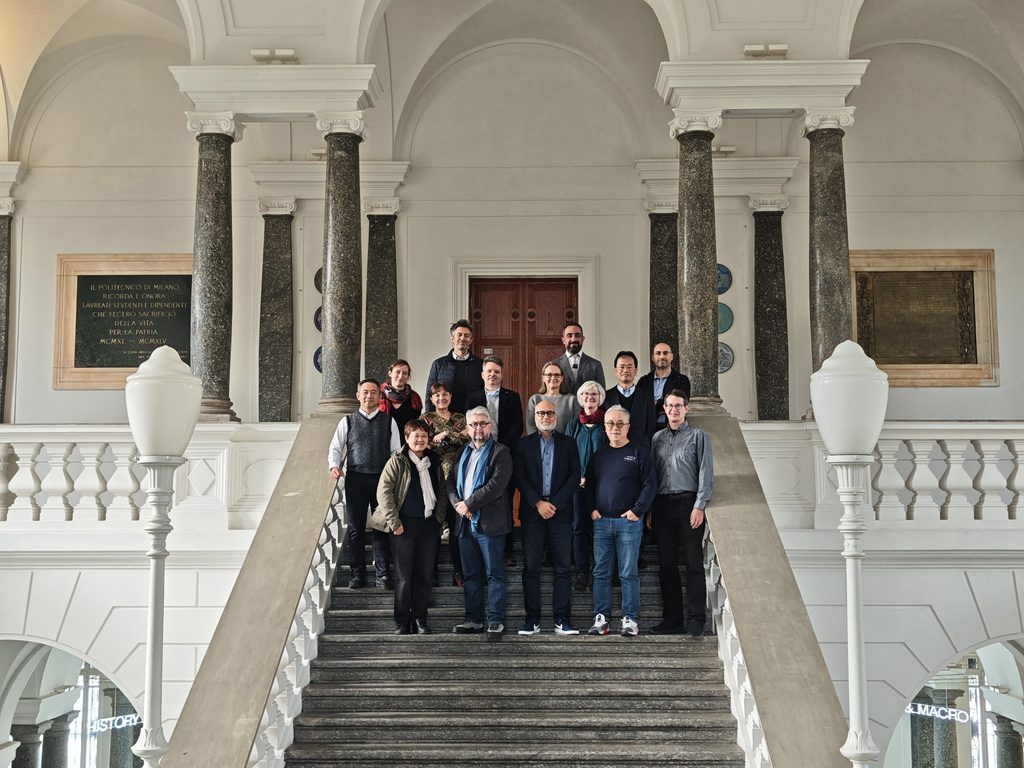
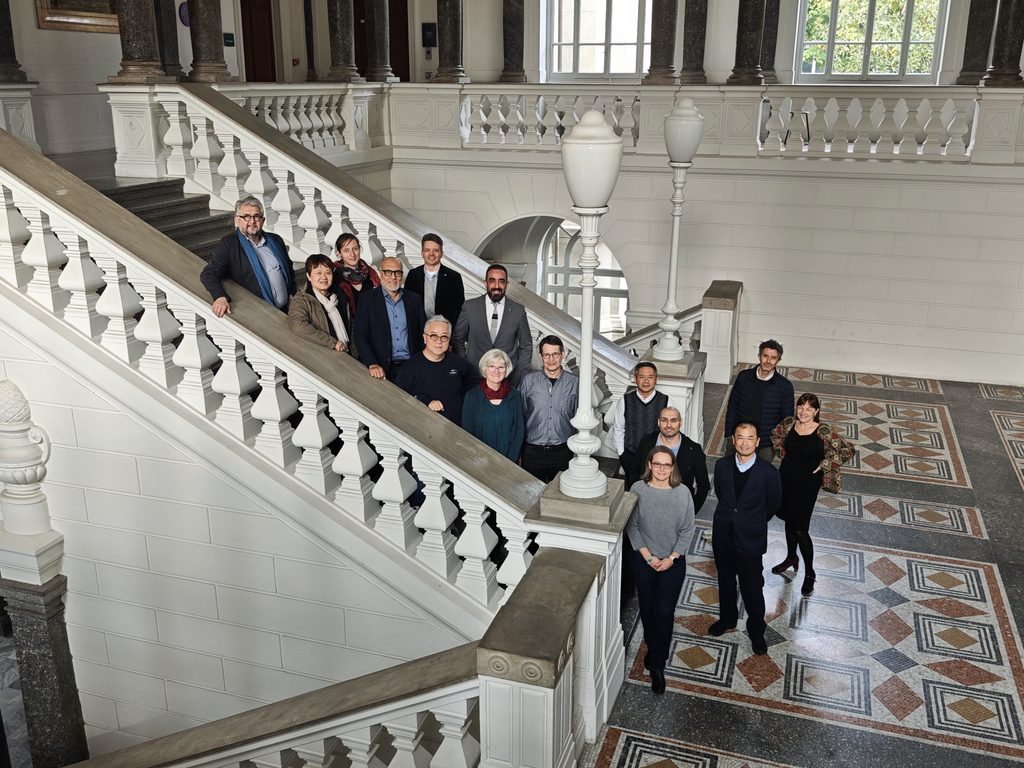
From 26 to 29 October 2026 the Department of Civil and Environmental Engineering hosted theISPRS Joint Council and TCP Meeting, the first in-person gathering of the International Society for Photogrammetry and Remote Sensing and the presidents of its Technical Commissions.
Meeting at the Leonardo Campus were President Nicolas Paparoditis, Vice President Jiang Jie, Secretary General Ahmed Shaker, Treasurer Petri Rönnholm, 2030 Congress Director Jisang Park and Annette Radtke, Secretary to the Secretary General, together with the presidents of the five Technical Commissions through which the Society organises its scientific work. Petra Helmholz, 2029 Congress Director, Charles Toth, Chair of the International Scientific Advisory Committee, and Paulina Kujawa, ISPRS Social Media Manager, took part as guests.
Among the Commission presidents is Maria Antonia Brovelli, professor at our Department, who chairs Technical Commission IV, Spatial Information Science. The remaining four commissions cover sensor systems, photogrammetric computer vision, remote sensing, and education and outreach.
Participants were welcomed by Alberto Guadagnini, Vice Rector for Research at Politecnico di Milano and full professor at the Department.
Four days of work addressed preparations for the 2029 and 2030 Congresses, the structure and activities of the Technical Commissions for the 2026-2030 term, the planning of commission symposia, the Society’s scientific publications and its international outreach.
Hosting the first in-person meeting of this body places the Department at the heart of the scientific coordination of a community that, since 1910, has brought together researchers and professionals worldwide around the technologies of Earth observation and spatial representation.


Hasan Eslami, research fellow at the Department of Civil and Environmental Engineering, has received the Best PhD Thesis Award from the journal Hydrology (MDPI) for his doctoral thesis Aggradation Wave Dynamics Under Sediment Overloading in Supercritical Flows.
The award, established this year and assigned for the first time in this edition, recognises outstanding doctoral research in the field of hydrology. The evaluation committee was chaired by Prof. Ezio Todini and included Prof. Jiabo Yin (Wuhan University), Dr. Tommaso Caloiero (CNR) and Prof. Paolo Reggiani (University of Siegen).
The awarded thesis investigates the dynamics of aggradation waves under sediment overloading in supercritical flows, a relevant topic for sediment transport management in steep watercourses.
The official announcement is available on the award page.
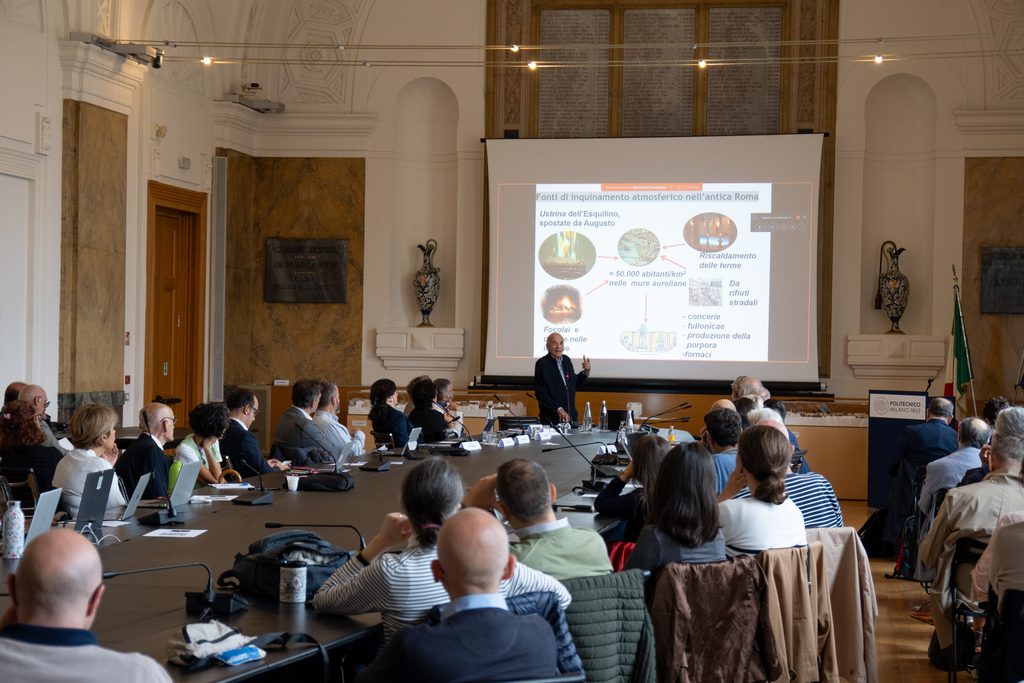
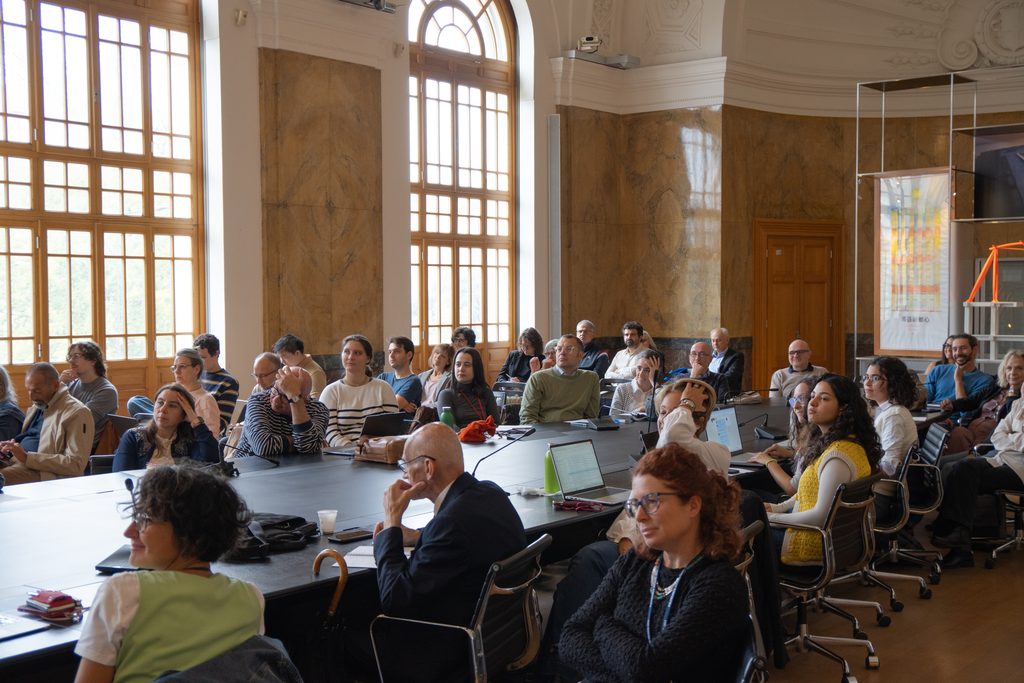
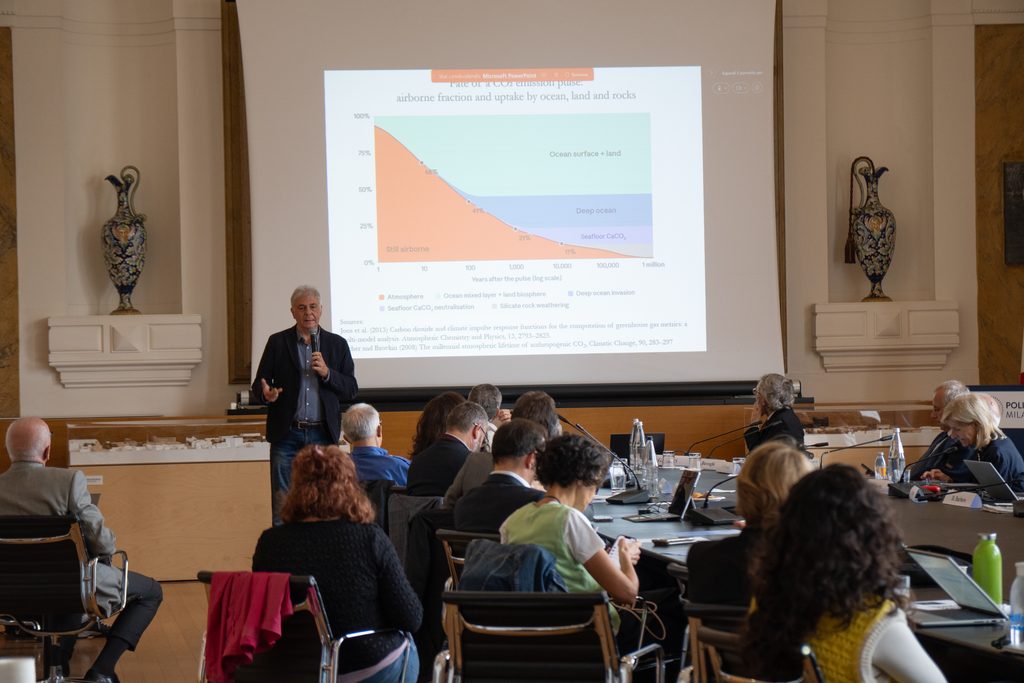
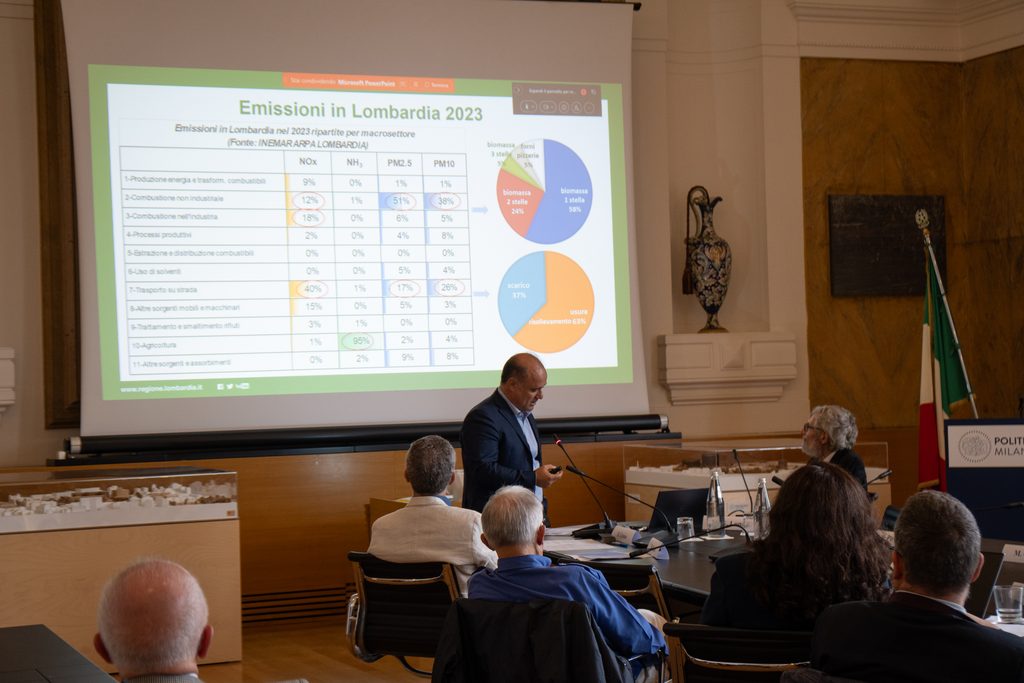
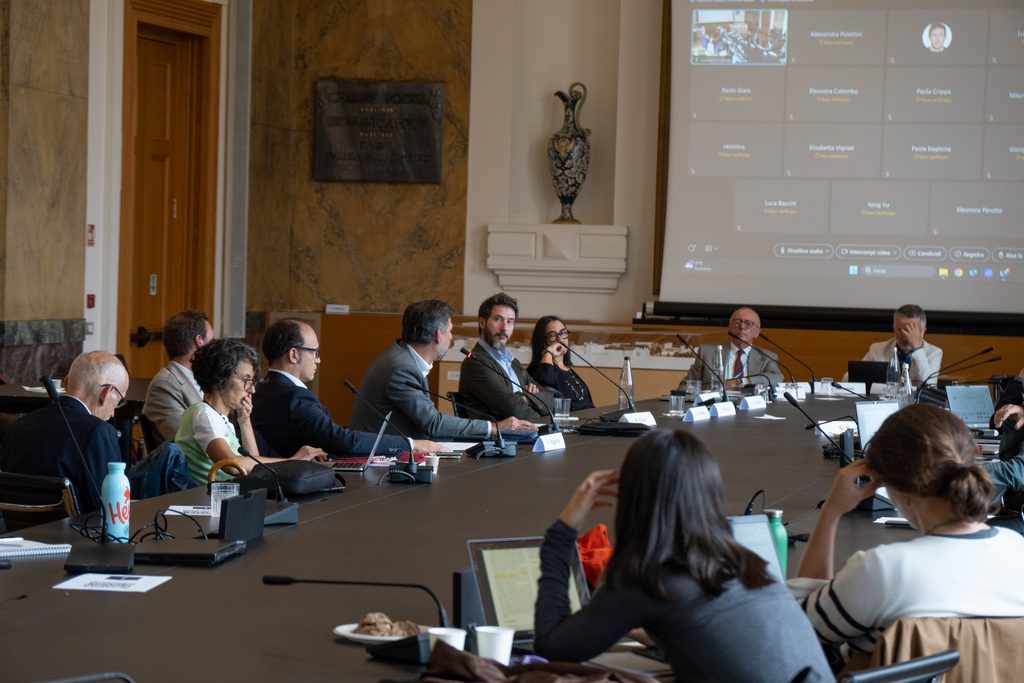
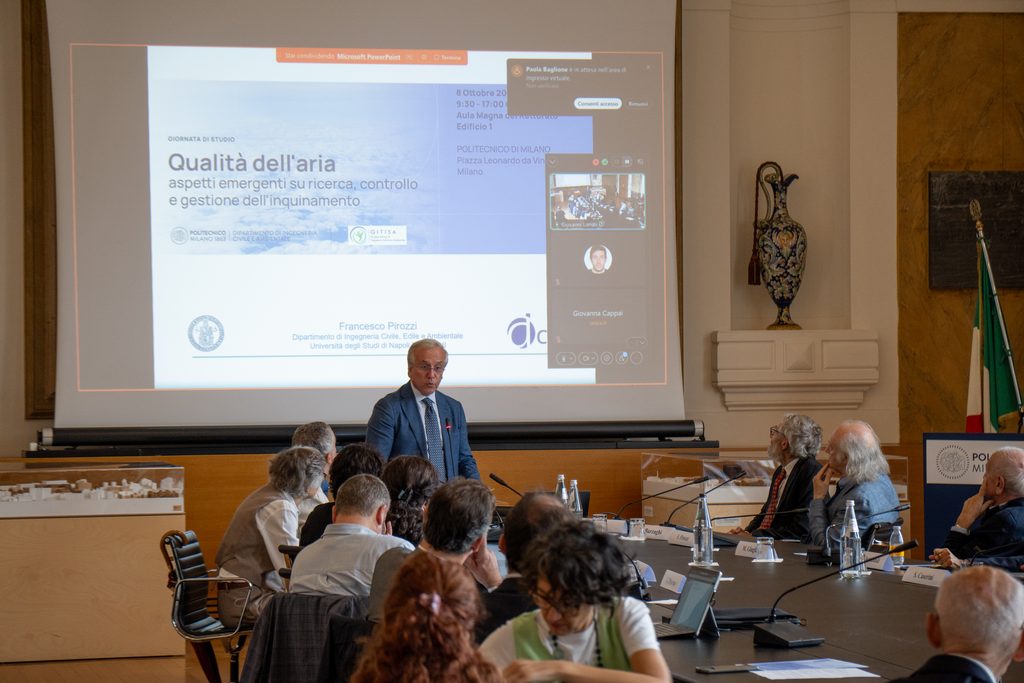
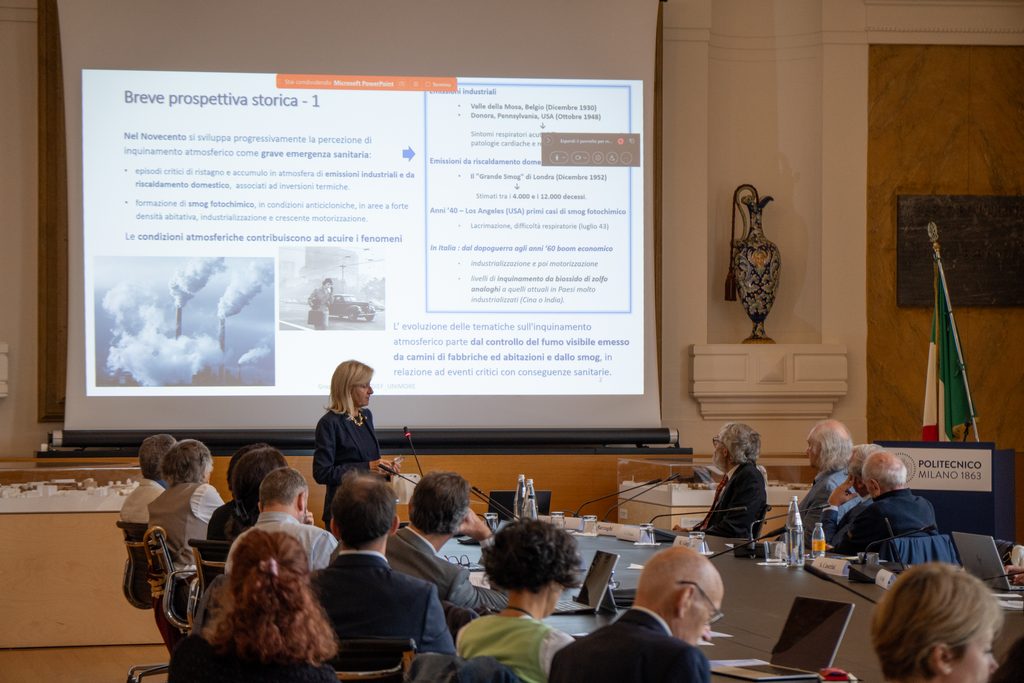
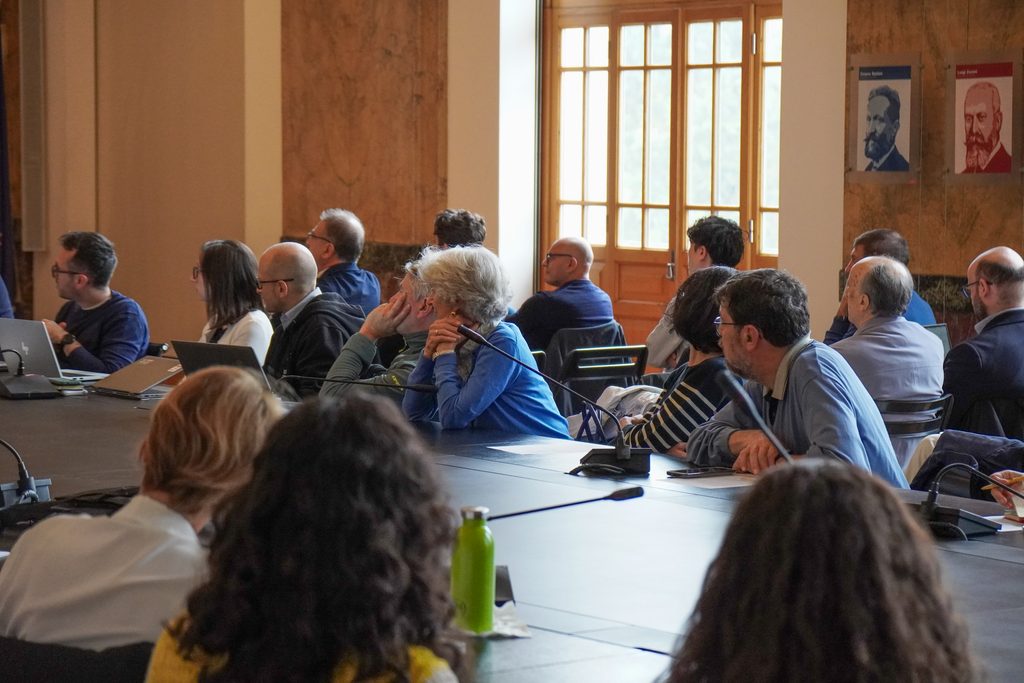
Si è svolta giovedì 8 ottobre, nell’Aula Magna del Rettorato del Politecnico di Milano, la giornata di studio “Qualità dell’aria: aspetti emergenti su ricerca, controllo e gestione dell’inquinamento”, organizzata dal Dipartimento di Ingegneria Civile e Ambientale con il patrocinio del GITISA – Gruppo Italiano di Ingegneria Sanitaria Ambientale.
L’incontro è stato concepito come occasione di confronto tra i diversi soggetti che operano sul tema della qualità dell’aria, dal mondo accademico agli enti preposti al monitoraggio e alla pianificazione, fino alle imprese che progettano e realizzano le tecnologie di abbattimento delle emissioni.
I lavori della mattinata, moderati dal Mario Grosso, si sono aperti con il ricordo del Prof. Stefano Cernuschi, affidato al Prof. Pirozzi dell’Università degli Studi di Napoli Federico II, in omaggio al contributo che il docente ha offerto per molti anni allo sviluppo degli studi sull’inquinamento atmosferico presso il Dipartimento. È seguita una sezione dedicata all’evoluzione della disciplina, con l’intervento del Prof. Michele Giugliano del Politecnico di Milano sulla nascita del settore nell’ambito dell’ingegneria sanitaria ambientale, quello della Prof.ssa Ghermandi dell’Università di Modena e Reggio Emilia sull’evoluzione delle tematiche di ricerca e quello del Prof. Stefano Caserini dell’Università di Parma sulle emissioni climalteranti.
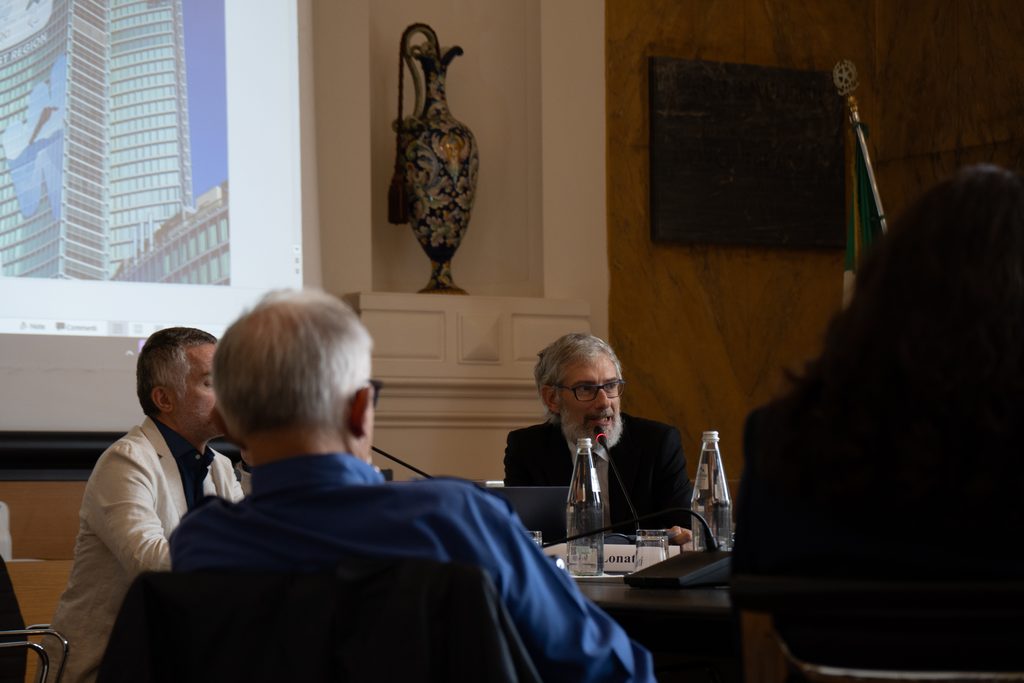
La seconda parte della mattinata ha dato spazio alle esperienze di enti e società attivi nel monitoraggio, nella modellistica e nella gestione della qualità dell’aria, con i contributi di Regione Lombardia, dell’Agenzia Mobilità Ambiente Territorio del Comune di Milano, di RSE, di Arianet and Eco-Research. La sessione si è chiusa con l’intervento del Prof. Giovanni Lonati per il Dipartimento di Ingegneria Civile e Ambientale.
Il pomeriggio è stato dedicato al punto di vista industriale, con una sequenza di testimonianze aziendali seguita dalla tavola rotonda coordinata dal Prof. Stefano Consonni del Dipartimento di Energia del Politecnico di Milano. Al confronto hanno preso parte imprese operanti nella progettazione e realizzazione di sistemi di trattamento delle emissioni, tra cui Brofind, Airprotech, Termokimik and TBF, insieme a LEAP, centro di ricerca su energia e ambiente partecipato dal Politecnico di Milano, e all’Agenzia europea dell’ambiente.
La parte conclusiva della giornata ha ampliato la prospettiva sul piano internazionale, con gli interventi della Prof.ssa Crippa della University of Notre Dame e dell’Ing. Giani, dottorando presso il MIT, prima del bilancio finale dei lavori.
L’iniziativa si inserisce nell’attività di ricerca e divulgazione che il Dipartimento svolge sui temi della qualità dell’aria e del controllo dell’inquinamento atmosferico, ambito nel quale intende proseguire il proprio impegno anche attraverso occasioni di confronto di questo tipo.