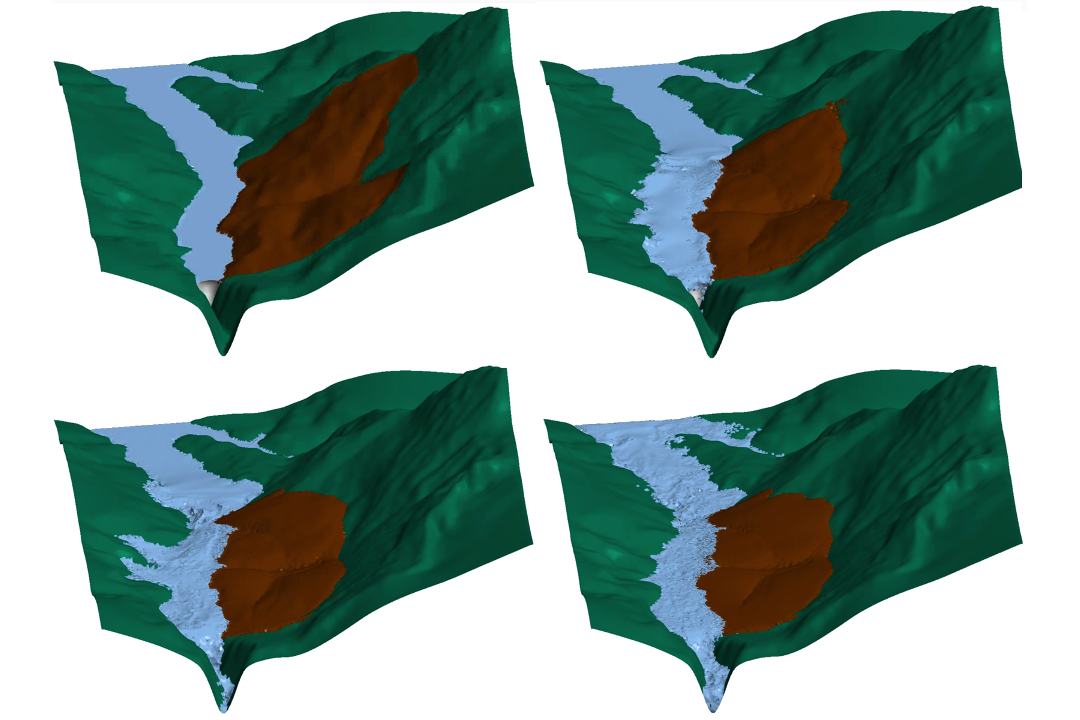
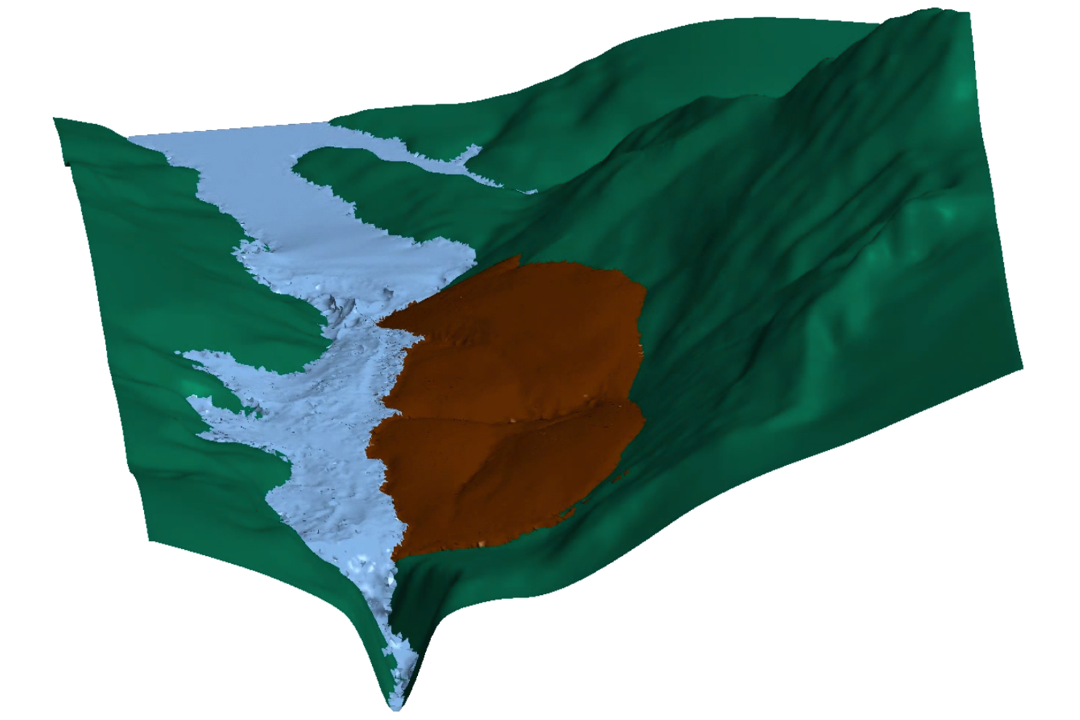
The research contributes to the Department’s “MATERIALS AND MECHANICS OF MATERIALS” area, i.e., “Theoretical, Applied and Computational Mechanics of Materials and Structures.” The group has developed, and continues to develop, new models and methods for the theoretical and simulation of nonlinear and multiphysics problems in solid of mechanics, structures and fluid–structure interaction.
- Stochastic mechanics and dynamics. Implementation and validation of constitutive models for the nonlinear behaviour of materials: elastoplasticity and damage, quasi-brittle and ductile fracture mechanics, and delamination.
- Formulation and implementation of finite elements for continua, membranes, and shells under finite kinematics, as well as interface finite elements for delamination and fracture.
- Analysis, development, and implementation of alternative discretization methods: boundary elements, particle methods, mesh-free methods, NURBS, and multigrid finite elements.
- Methods for reducing computational time: domain decomposition and model order reduction.
- Development of advanced experimental techniques and computational codes for Digital lmage Correlation the processing of two- and three-dimensional digital images (from X-ray and micro-CT data), aimed at diagnosing and monitoring materials and structures at different scales, to be combined with mechanical models and parameter identification techniques.
The group works in close collaboration with other departments at Politecnico di Milano, in particular with the groups MOX and GEO–MOX within the Department of Mathematics, with leading companies in the sector, and has numerous national and international contacts.
The research contributes to the Department’s “MATERIALS AND MECHANICS OF MATERIALS” area, i.e., “Experimental Analysis and Modelling of Materials and Structures.” The research group has developed considerable expertise and remains highly active in theparameter identification of complex models and in the development of experimental techniques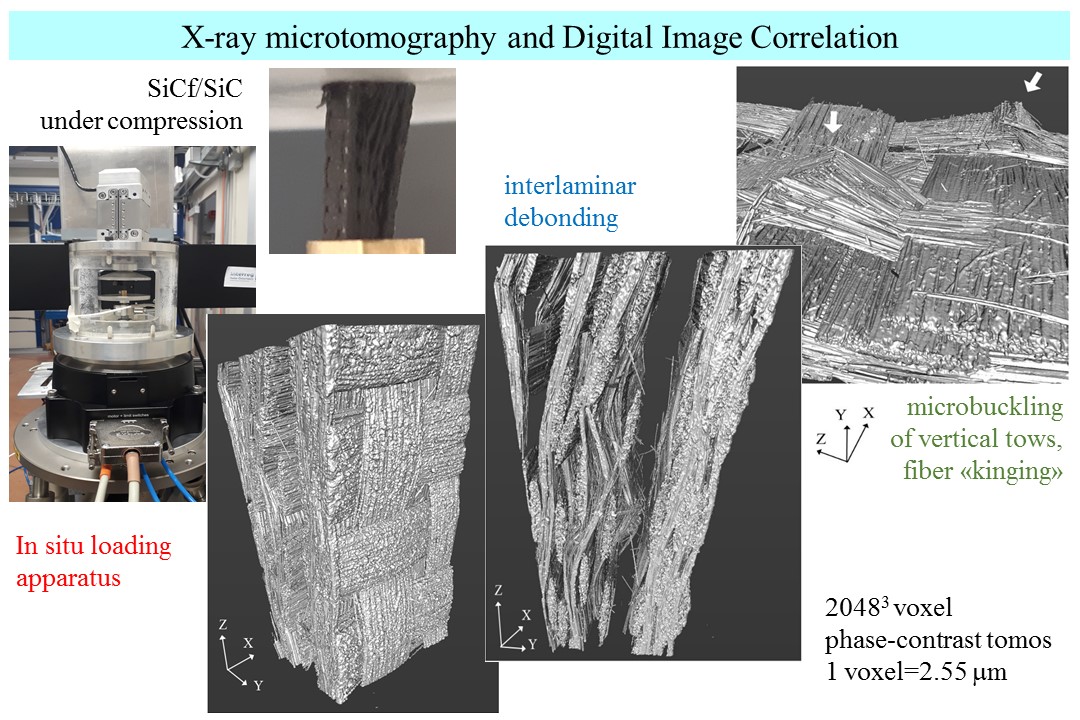 for characterizing materials at small and microscopic scales. Parameter and model identification. Development of algorithms for identifying constitutive-model parameters and structural damage using Kalman filters. Analysis for the diagnosis of structural components. Advanced experimental techniques for materials characterization. Development of experimental techniques for the characterization of non-traditional materials. Use of Digital Image Correlation for characterizing cohesive laws and monitoring delamination. Development of non-destructive diagnostic techniques through nanoindentation.
Development of patient-specific soft-tissue organ models through the identification of geometry, material properties, and loads. The group works in collaboration with the Dipartimento di Chimica (Mechanobiology Lab, Polymer Engineering Lab), with Dipartimento di Scienze e Tecnologie Aerospaziali (Aerospace Materials and Technologies group), with Dipartimento di Meccanica (Manufacturing Sytems & Quality group) and Dipartimento of Architettura, Ingegneria delle Costruzioni e del Costruito.
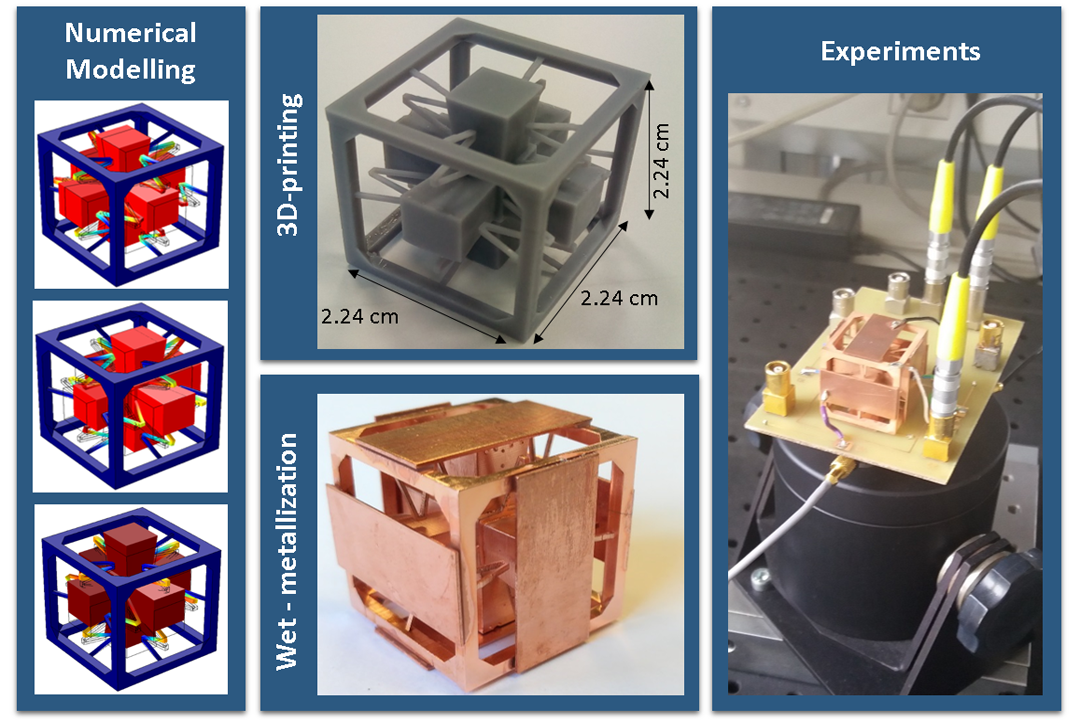
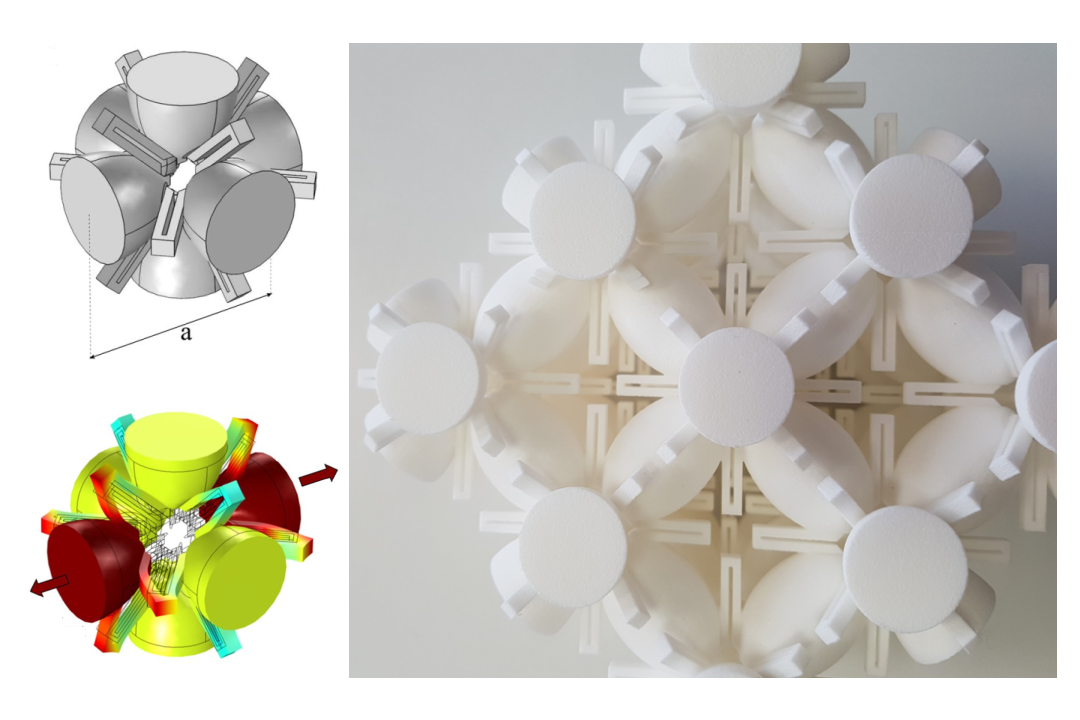
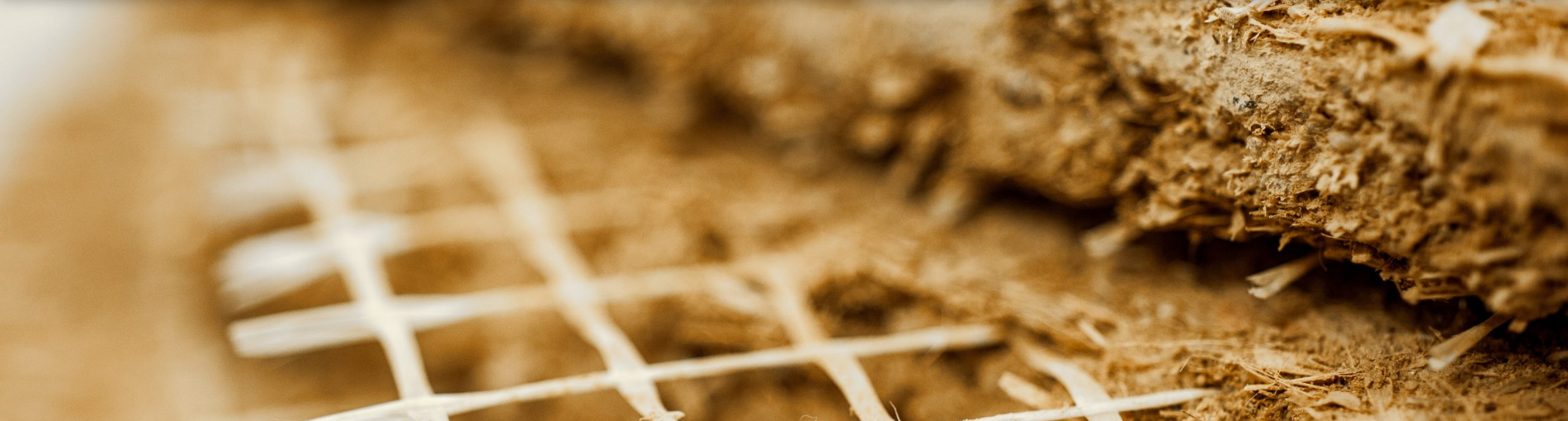
The research contributes to the Department’s “MATERIALS AND MECHANICS OF MATERIALS” area, i.e., “Innovative Materials for Infrastructure and Structures.” The group works on the study of new materials and to the formulation of models to describe their complex behaviour. Formulation of constitutive laws for the complex behaviour of materials. 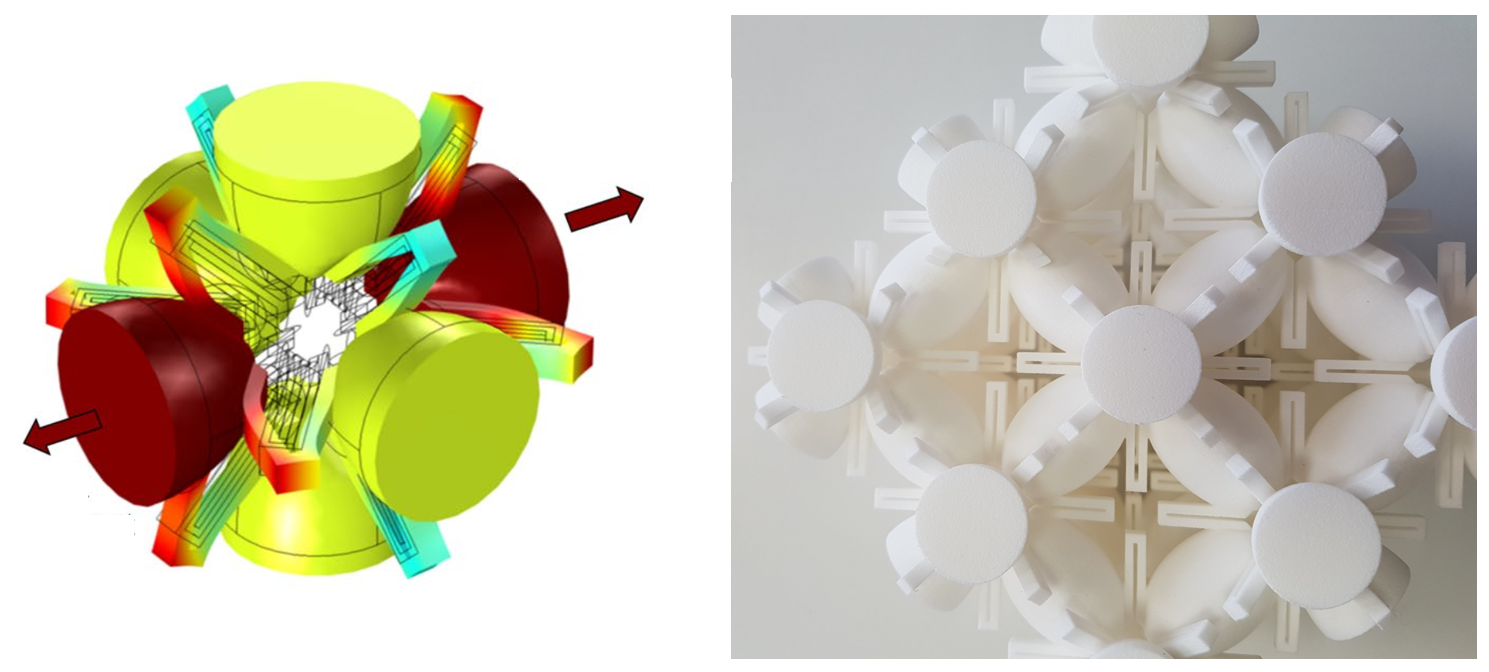 Composite and innovative materials for biomechanical, geomechanical, and structural applications. Development of constitutive models for multiphase damage induced by chemical and physical phenomena, and viscoplastic models for simulating hot-rolling processes. Micromechanics of porous fibre-reinforced composites, viscoelastoplastic materials, and brittle polycrystals. Development of constitutive models for complex anisotropic biological materials, such as liquid crystals, functionally graded materials, biomimetic materials, and electroactive materials. Theoretical study, modelling, simulation, and experimental testing for new metamaterials, such as auxetic materials and phononic crystals. The group works in close collaboration with other departments at Politecnico di Milano (the Department of Mechanical Engineering: the Manufacturing Systems & Quality Group and the Transport Safety Laboratory; and the Department of Chemistry: the Surface Treatment and +LAB 3D Printing Groups), as well as with leading companies in the sector, and has numerous national and international contacts.
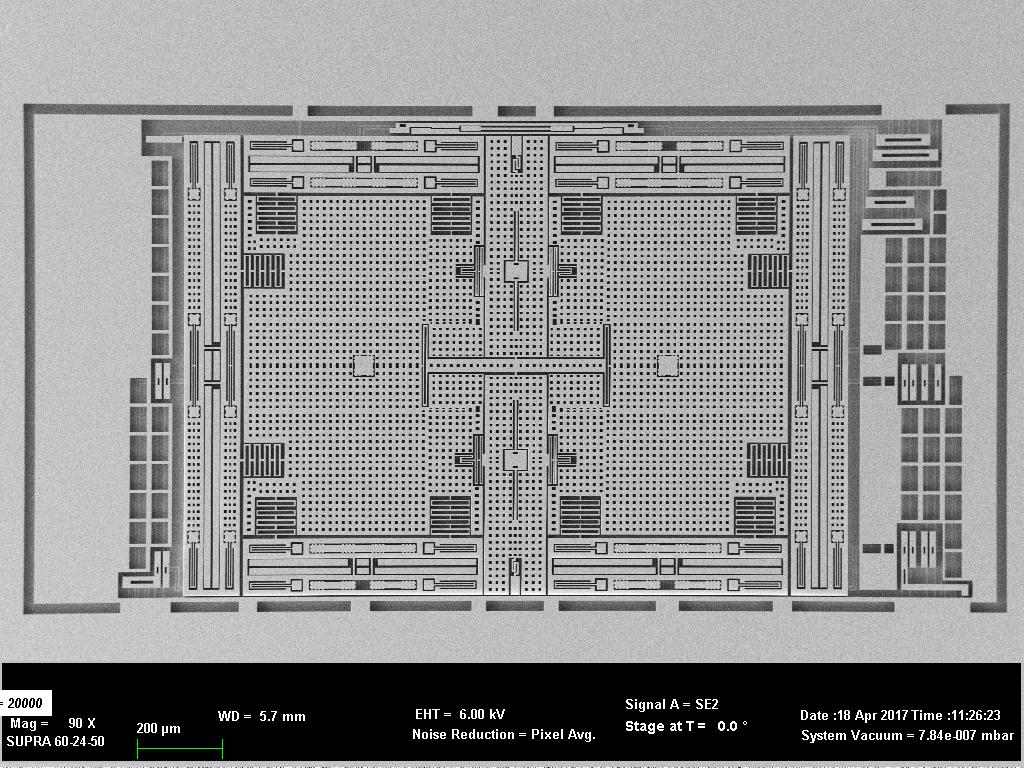
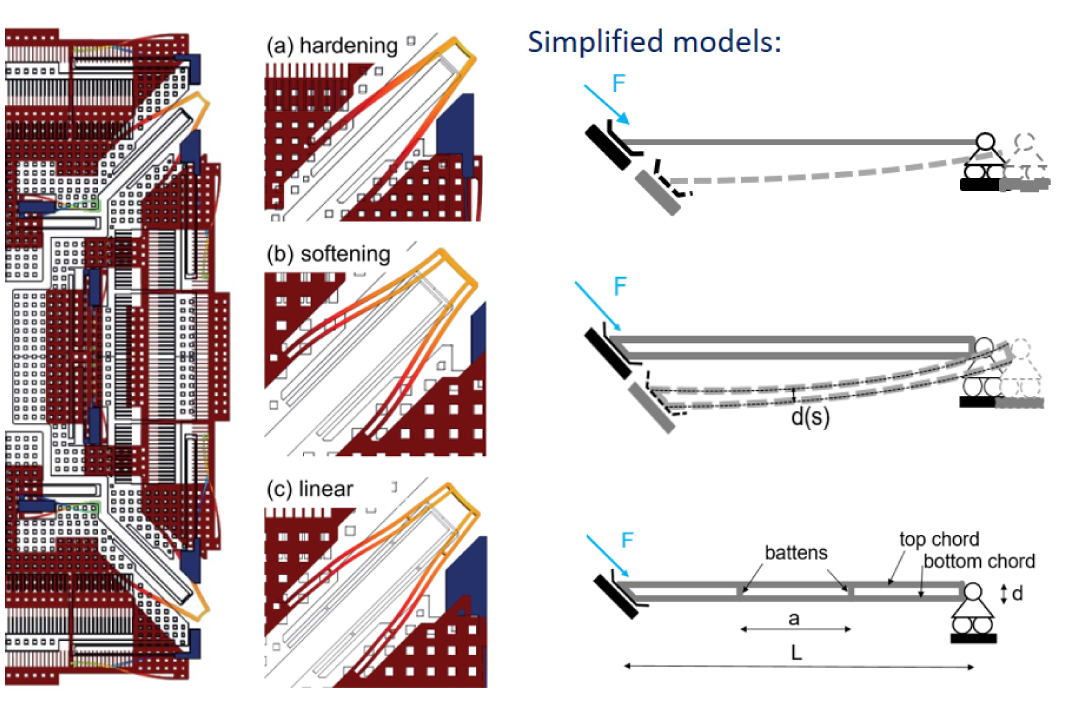
The research contributes to the Department’s “MATERIALS AND MECHANICS OF MATERIALS” area, i.e., “Theoretical, Applied and Computational Mechanics of Materials and Structures.” The research group has worked extensively and remains highly active in the study of mechanical phenomena and multiphysics in microsystems. 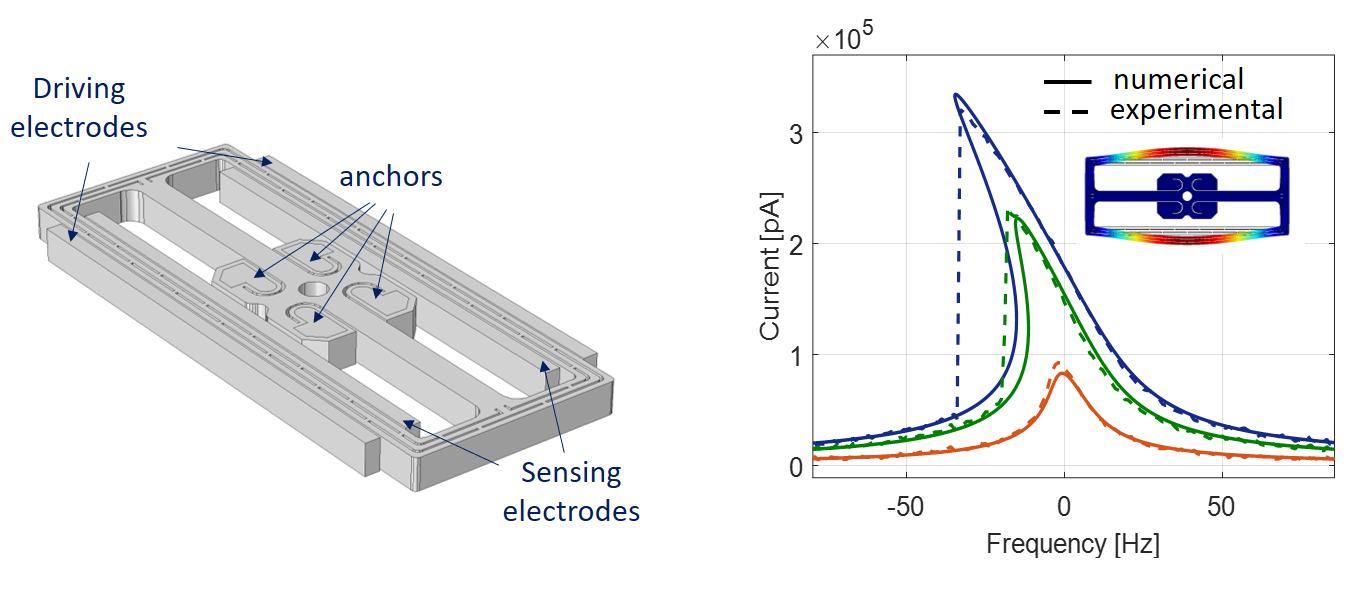 Mechanical characterization and reliability of microsystems (MEMS and NEMS). Modelling and design of microsystems (MEMS and NEMS). Microdevices for experimental mechanical characterization at the microscale. Gas–structure interaction at the microscale. Analysis of dissipative phenomena (fracture, fatigue, thermoelasticity) and spontaneous adhesion. Simulation of accidental-impact effects. Analysis and design of microsystems and inertial sensors used in many applications, including the diagnosis of composite structures and infrastructure. Accelerometers, gyroscopes, magnetometers, resonators, micromirrors, and micro-piezoelectric ultrasonic transducers. The group works in close collaboration with other departments at Politecnico di Milano (the Department of Electronics, the Microsensors and Intelligent Microsystems Group; the Department of Chemistry, the Surface Treatment Group; the Department of Mechanical Engineering, the Measurement, Systems Mechanics, and Materials for Mechanical Applications Groups; and the Department of Physics, the Femtosecond Laser Micromachining Group), as well as with leading companies in the sector, and has numerous national and international contacts.
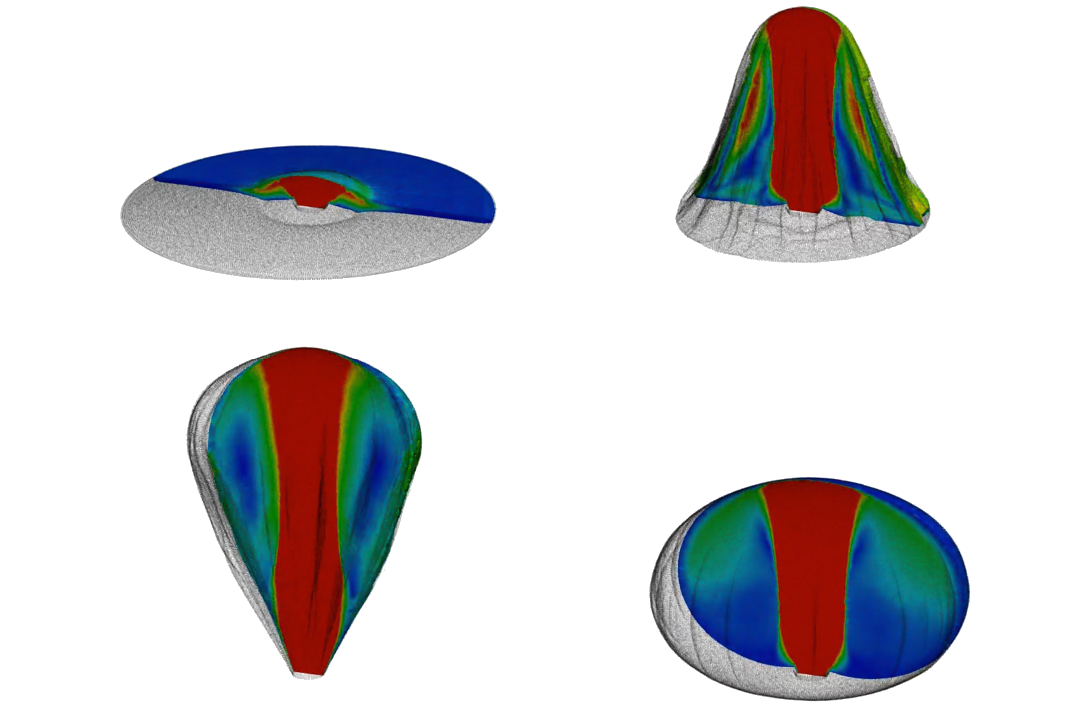
The research contributes to the Department’s “MATERIALS AND MECHANICS OF MATERIALS” area, i.e., “Theoretical, Applied and Computational Mechanics of Materials and Structures.” The group is active in the modelling and simulation of soft biological tissues , molli with particular focus on the biomechanics of the eye and smooth muscles.
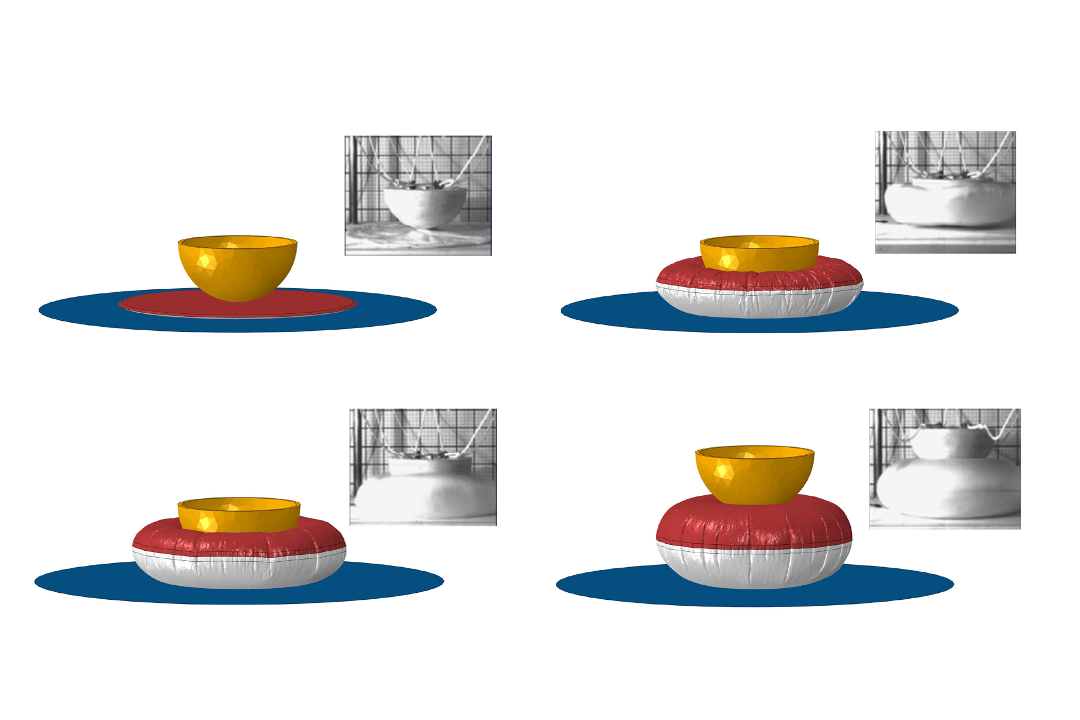
Particular expertise has been developed in the development of models for anisotropic materials under finite kinematics, the generation of dedicated geometries based on optical images, multi-objective identification procedures involving geometry, materials, and loads, the simulation of in vivo clinical tests, and patient-specific surgery, taking account of fluid–solid coupling and the micromechanical modelling of tissue disorders associated with degeneration of tissue structure. The group works in close collaboration with ophthalmologists, clinicians, and laser-machine manufacturers, as well as with the laboratory LABS (Biological Structures Laboratory) of the Department of Chemistry at Politecnico di Milano.